Bosnia and Herzegovina may have the most interesting history of the Balkan countries, and not just recent history. The country still has an interesting fusion of features from the Ottoman empire, Austro-Hungarian empire, and Yugoslavia. Mostar has had four religions (Orthodox Christians, Catholic Christians, Muslims, and Jews) living in the same city for centuries.
After spending some weeks in Bosnia and Herzegovina, I felt like I got at least a glimpse into the tension that remains to this day, the scars left on city buildings as well as in people's memory, skepticism of the west (see here, here, and the messy 3-president system imposed by the west some examples) and the immense pain caused by the war in the 1990's. On the other hand, there is a strong longing for the "good days" of Yugoslavia when the Balkan states were united. The closest analogy I can think of to help American friends understand the Balkan perspective is to imagine if the USA split into five states after years of bloody civil war, with Texas, Florida, California and the west coast, the east coast, and the rest of the country all separated by new country borders. It just wouldn't feel like the same country you grew up in, especially with damaged buildings that would take decades to repair, and the lingering tension from the change in borders and friction of the new borders would make transit of goods and people more difficult.
Travel thought: Is it just me, or does Google Maps search perform extremely poorly outside of North America and Western Europe? The top results for food, shops, and more are so lackluster that I sometimes invert the results and avoid the top results. The hours are often wrong and stores reported as open now can be closed to renovation or permanently closed. I suspect most locals don't care to leave reviews and the reviews that do exist are extremely biased towards the tourist areas and tastes. The only search category that is adequate is lodging, but that data is sourced from other sites like booking.com.
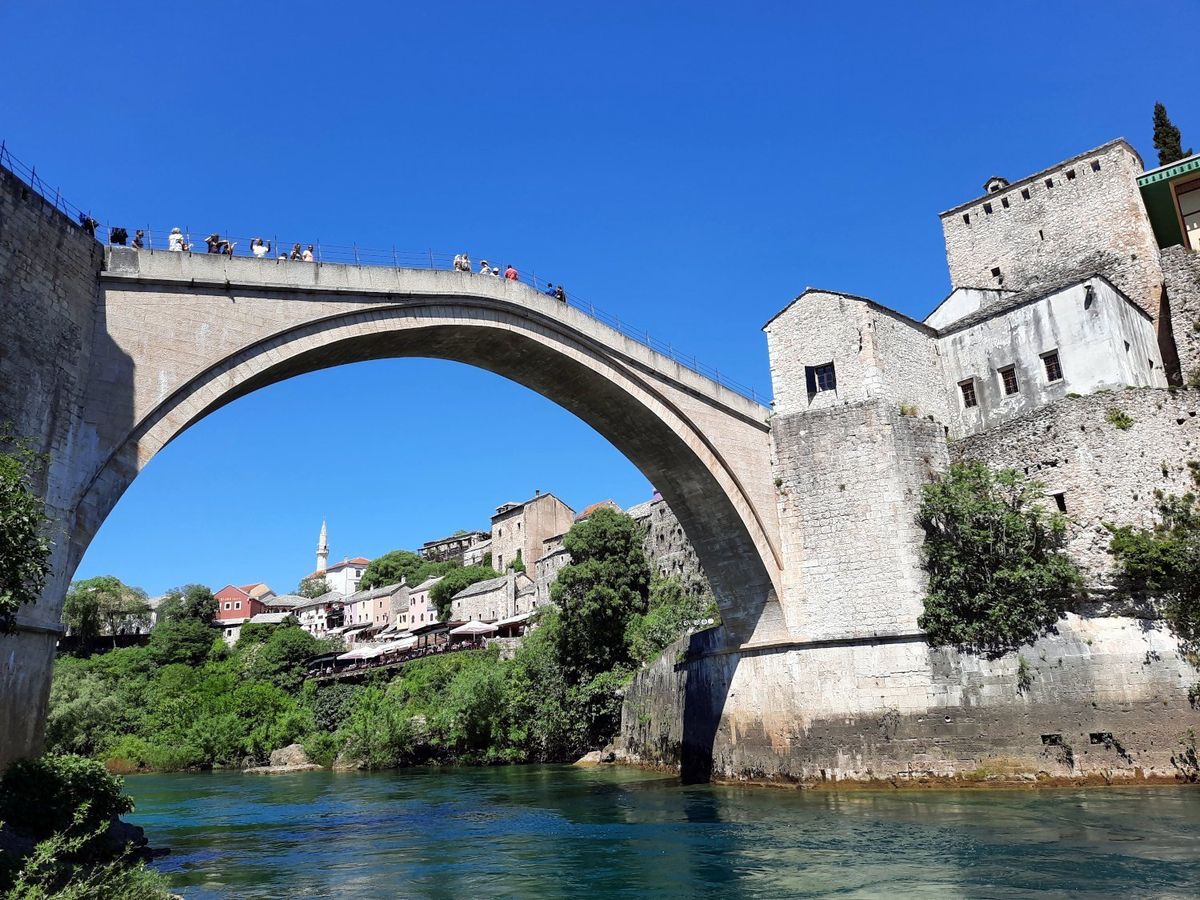
The famous Stari Most (Old Bridge) in Mostar, rebuilt after destruction in the 1990's
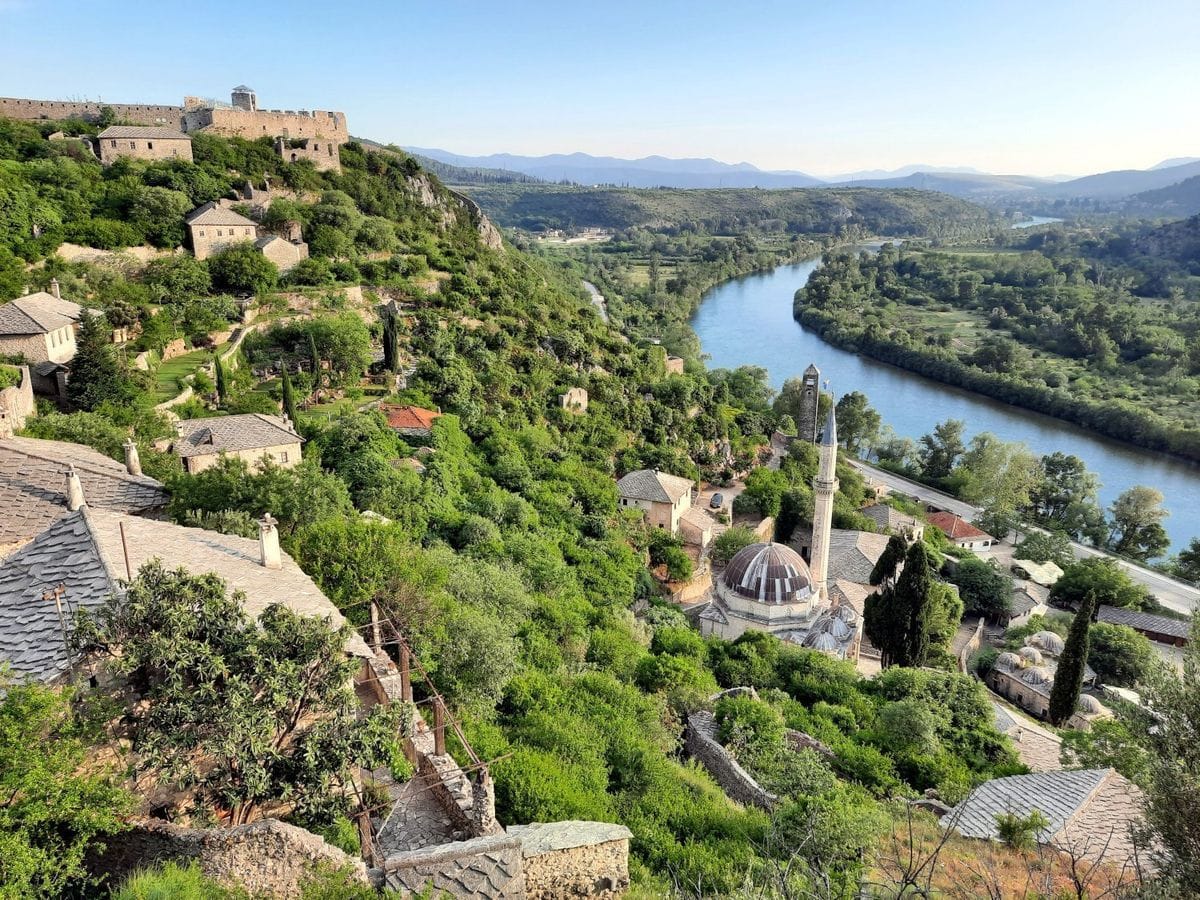
The historic village of Počitelj still appears very close to its original form, which cannot be said of many historic sites in Bosnia and Herzegovina due to the destruction in the 1990's
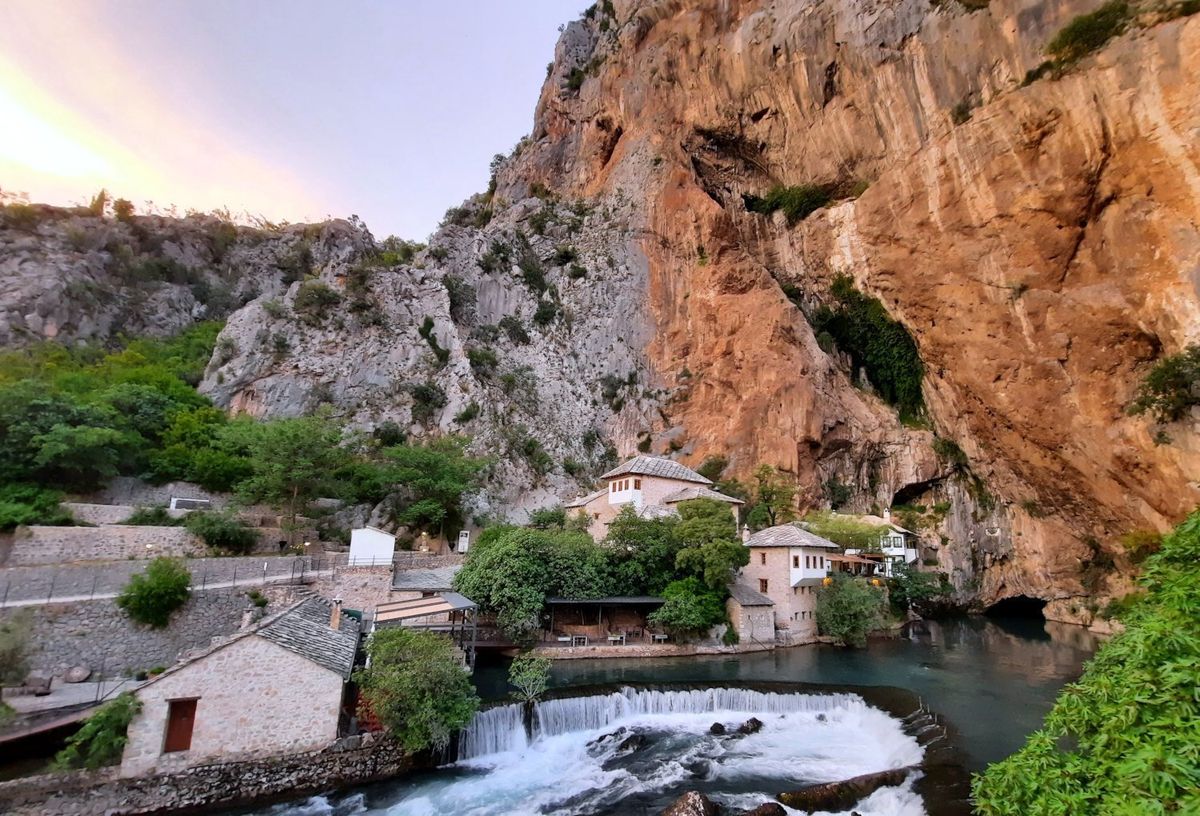
The Blagaj Tekke (Blagaj Monastery) at sunset, with fresh spring water flowing past
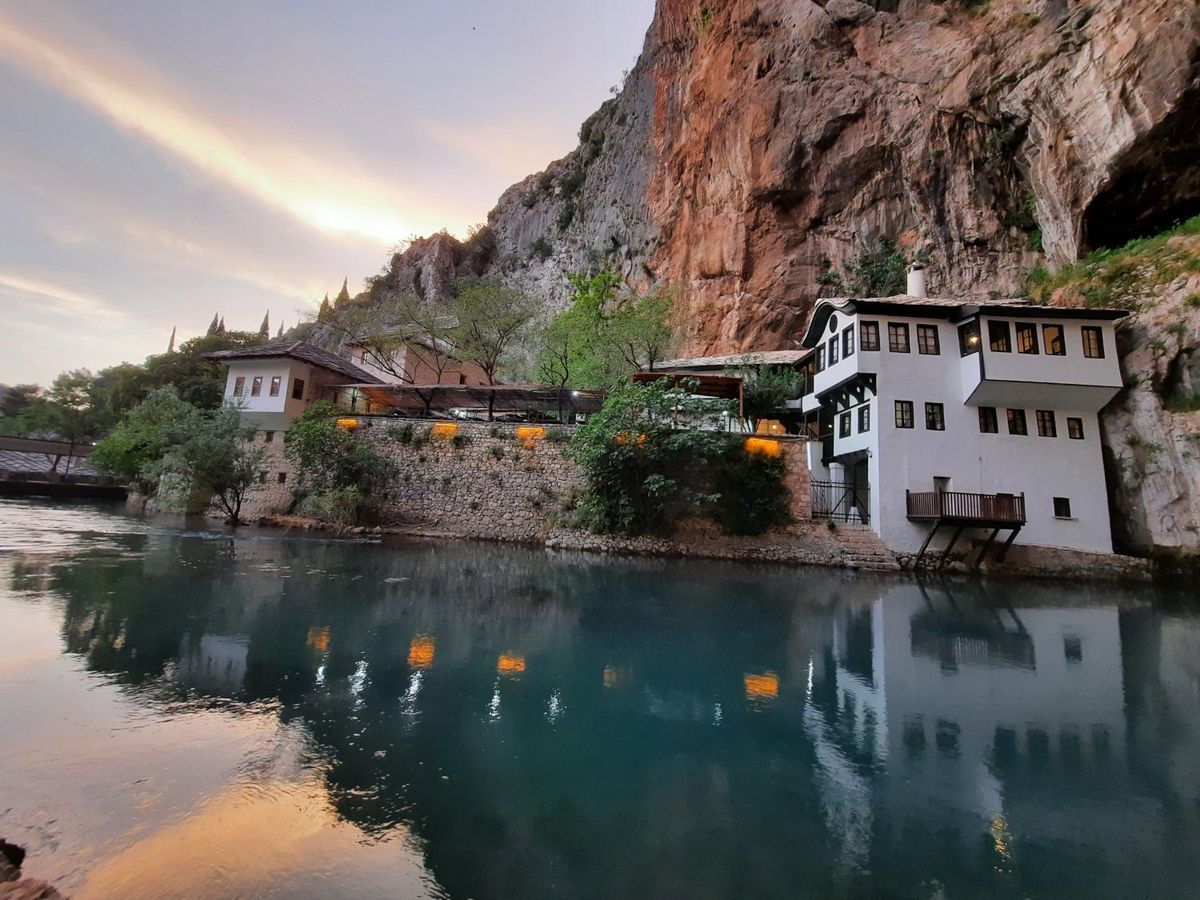
Another view of Blagaj Monastery
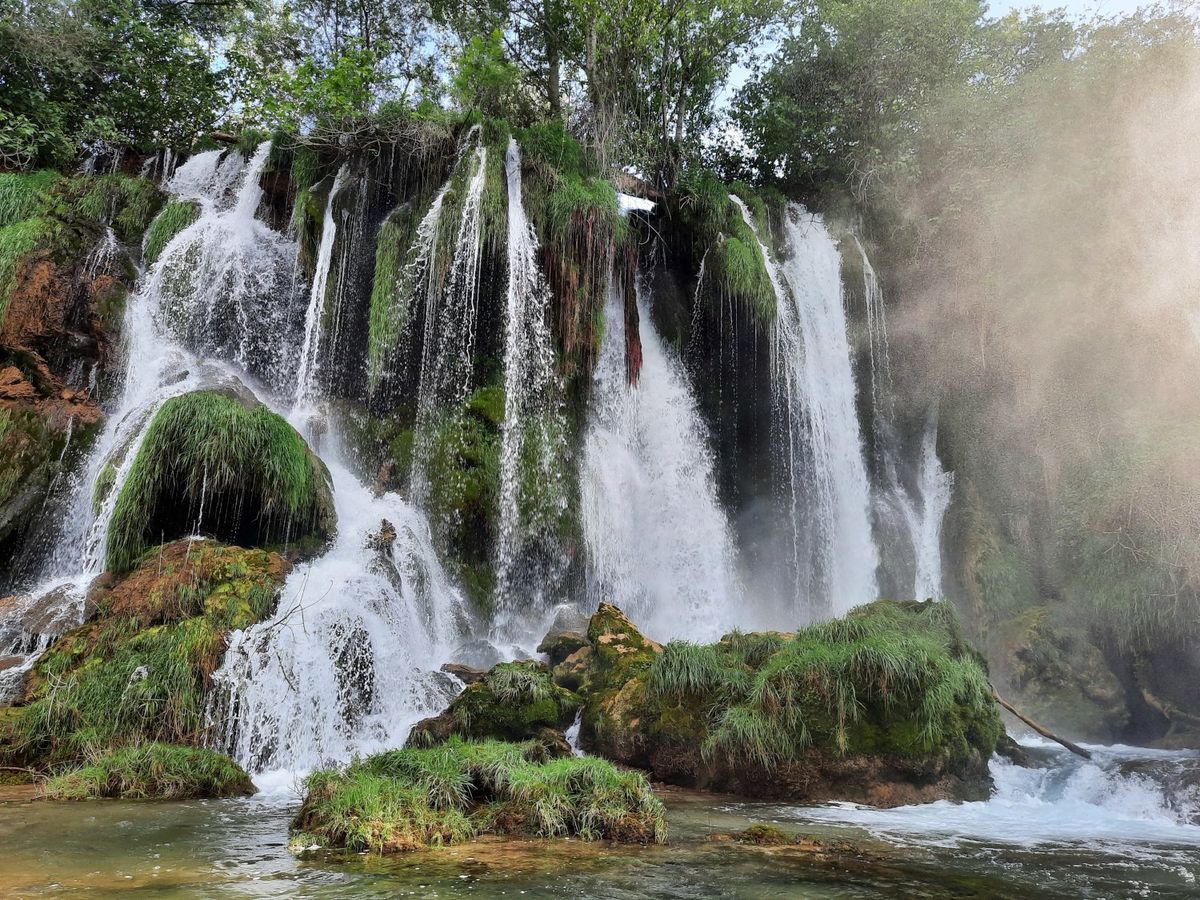
The Kravice Waterfall displays some of the natural beauty found in Bosnia and Herzegovina
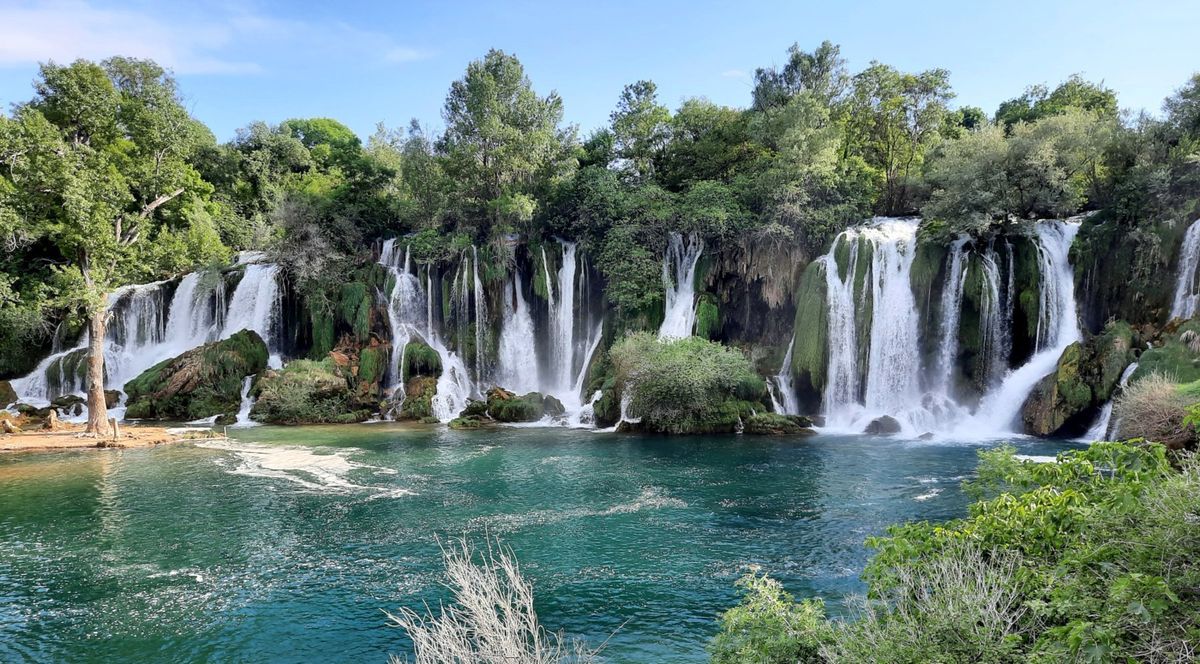
The mountainous terrain of the countries lends itself to many rivers and waterfalls, supposedly more than Italy, France, and Germany combined. Despite the summer temperature reaching 40 C (104 F) regularly, the mountain spring water remains much cooler
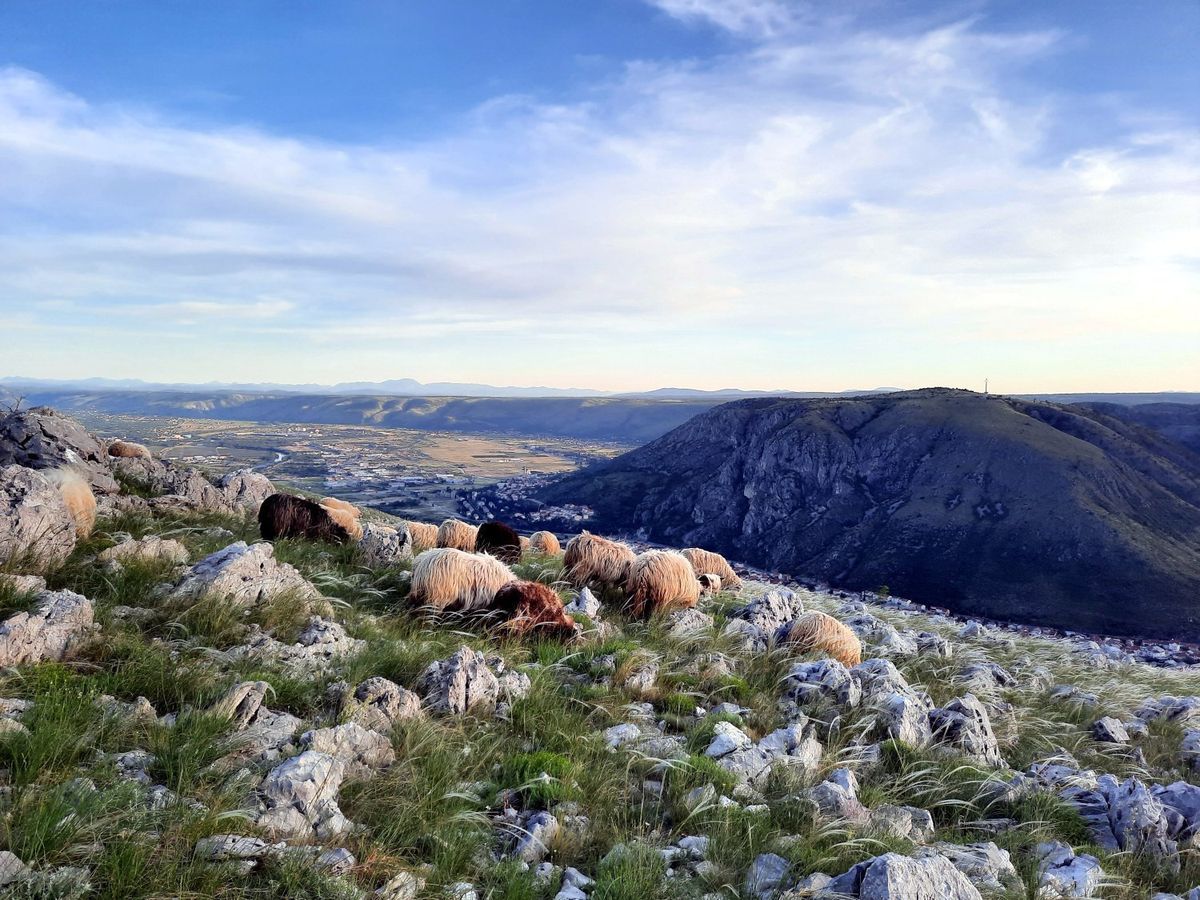
Friendly sheep roaming the hillls
I suspect sitting in a cafe is some sort of national sport, at least on Sundays, given how many remain busy all day
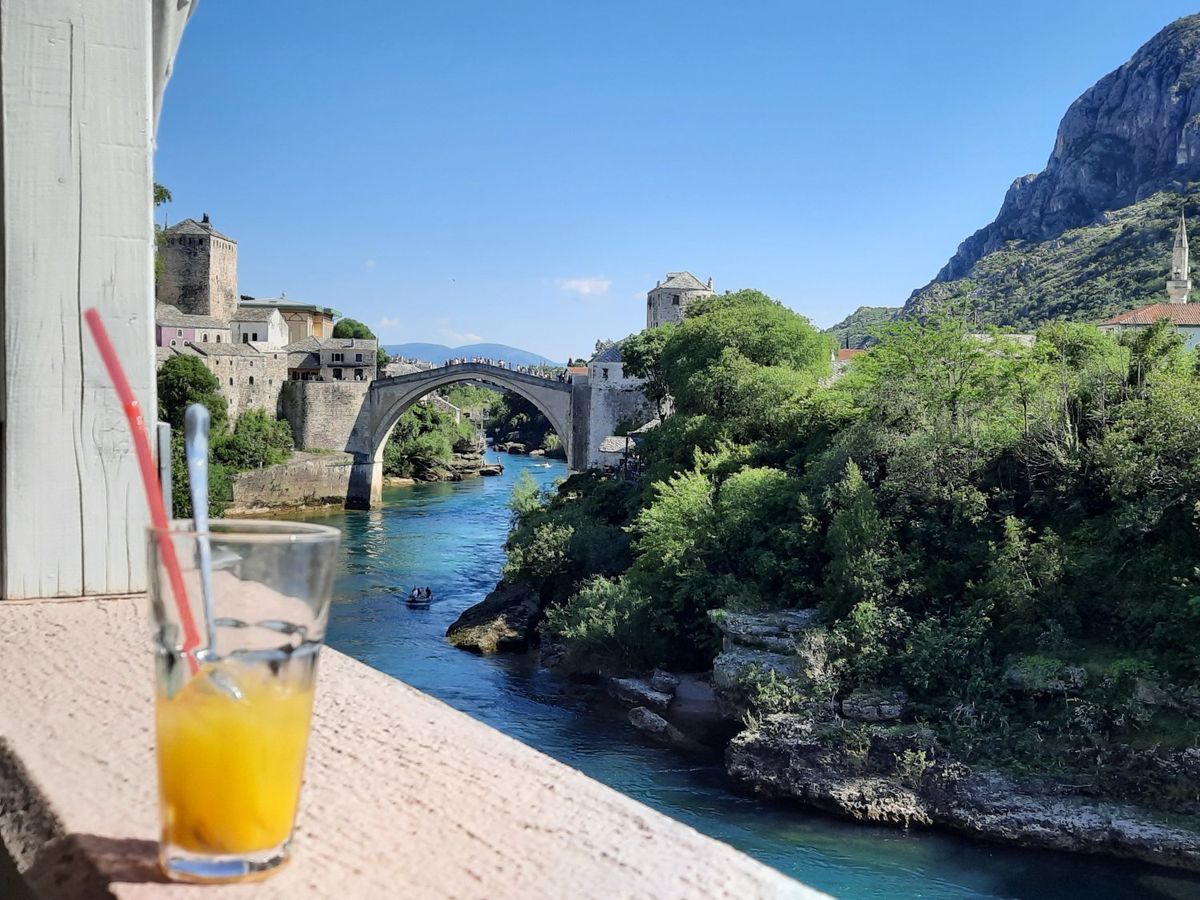
When the overpriced tourist sit-down restaurants charge $7 for a big dinner with a drink, you really appreciate exchange rates. It's $2-$3 for a to-go meal in cheaper areas.
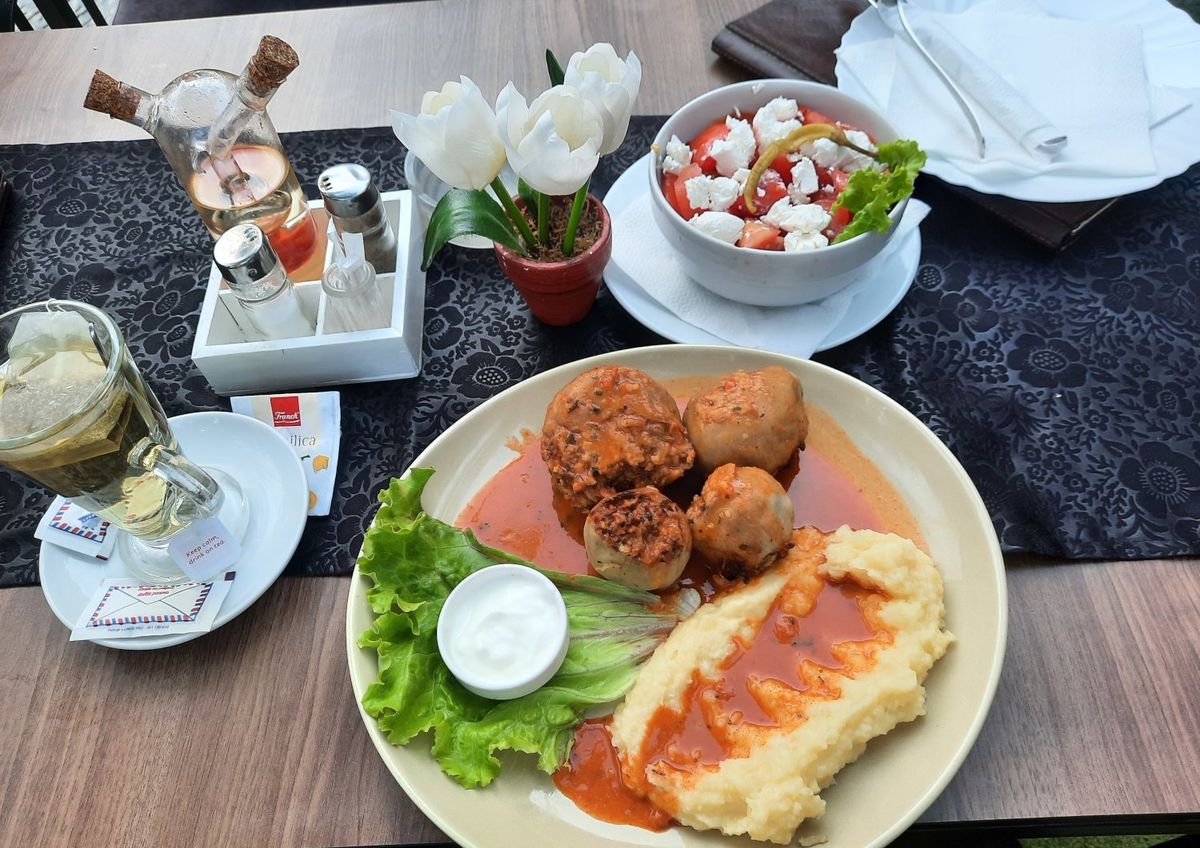
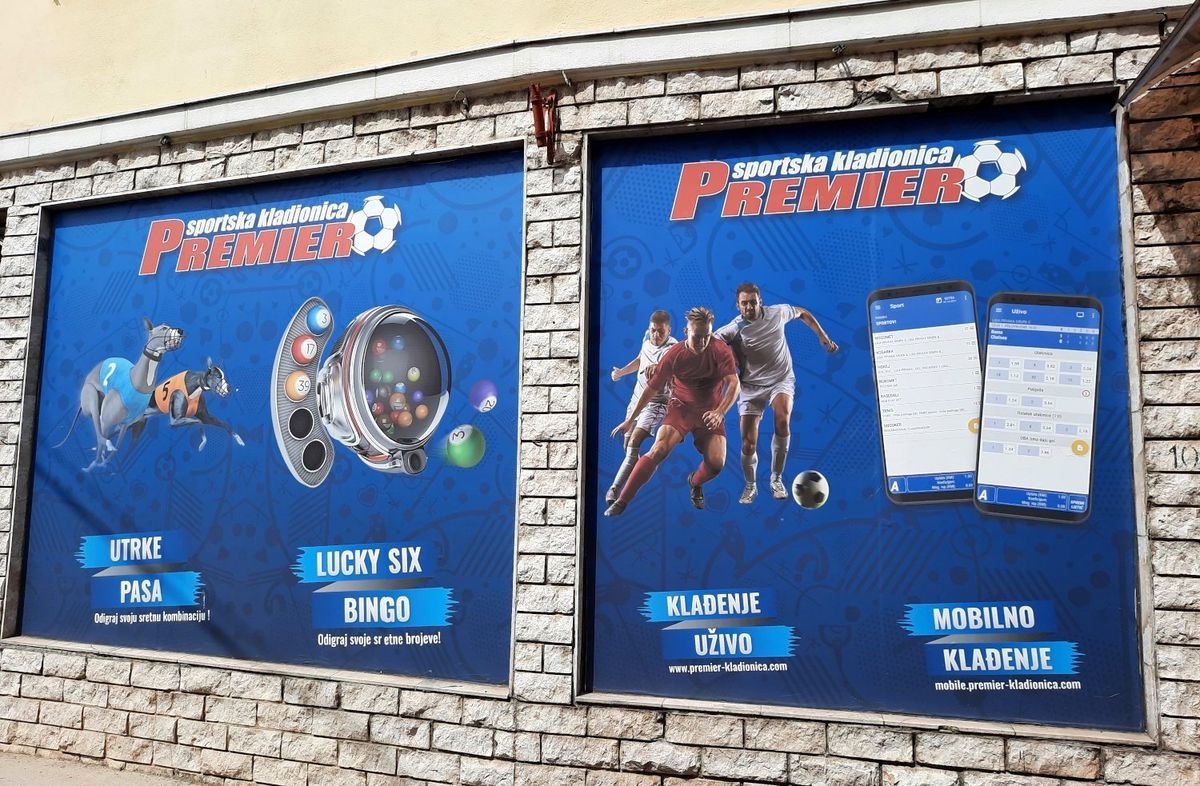
Walking around Mostar, it's hard to miss the many sports gambling and electronic casinos with bright advertising, but this may be in part because of a local IT company in town that specializes in serving bookmakers
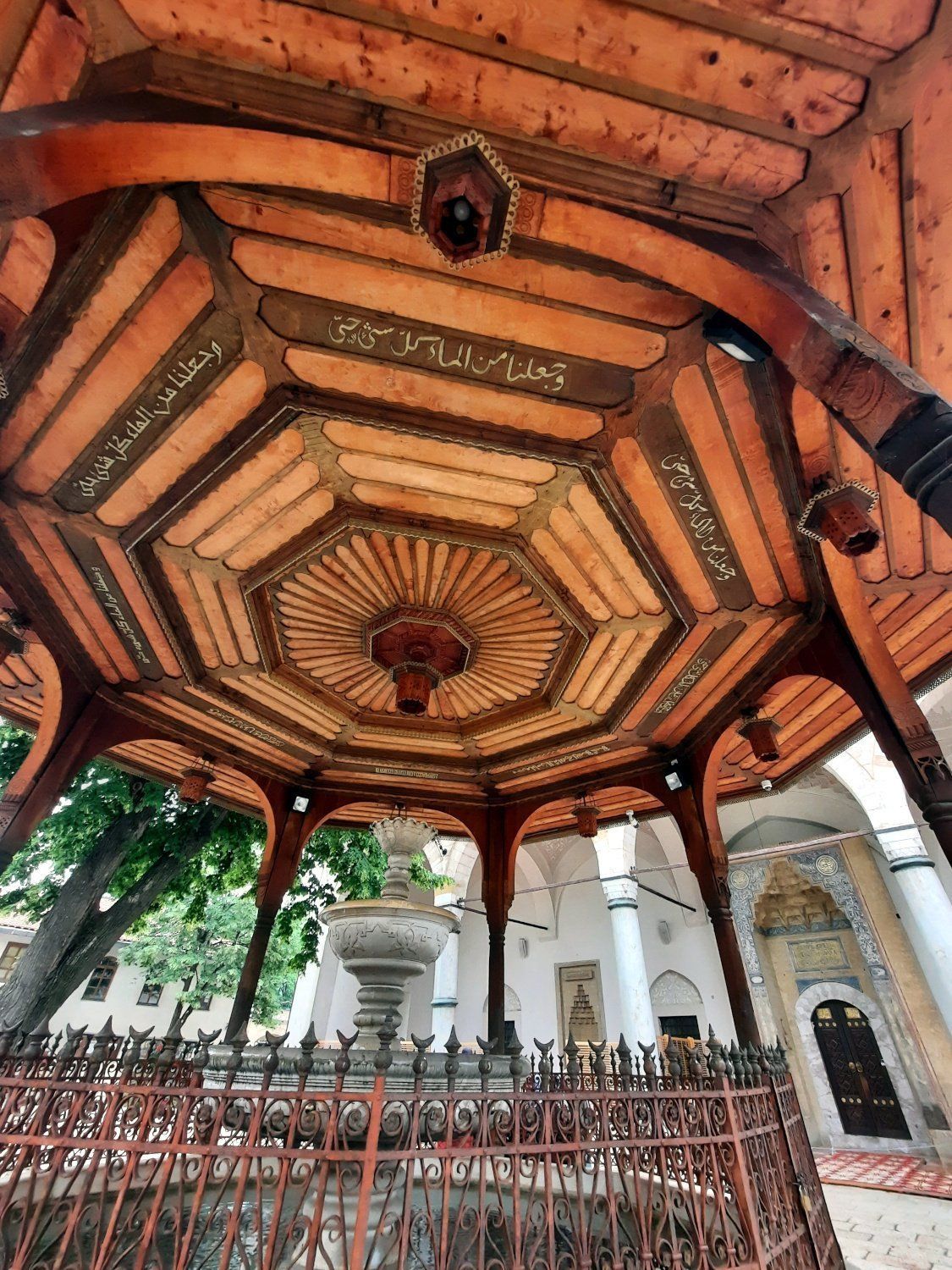
Fountain outside the Gazi Husrev-Beg Mosque in the old town of Sarajevo
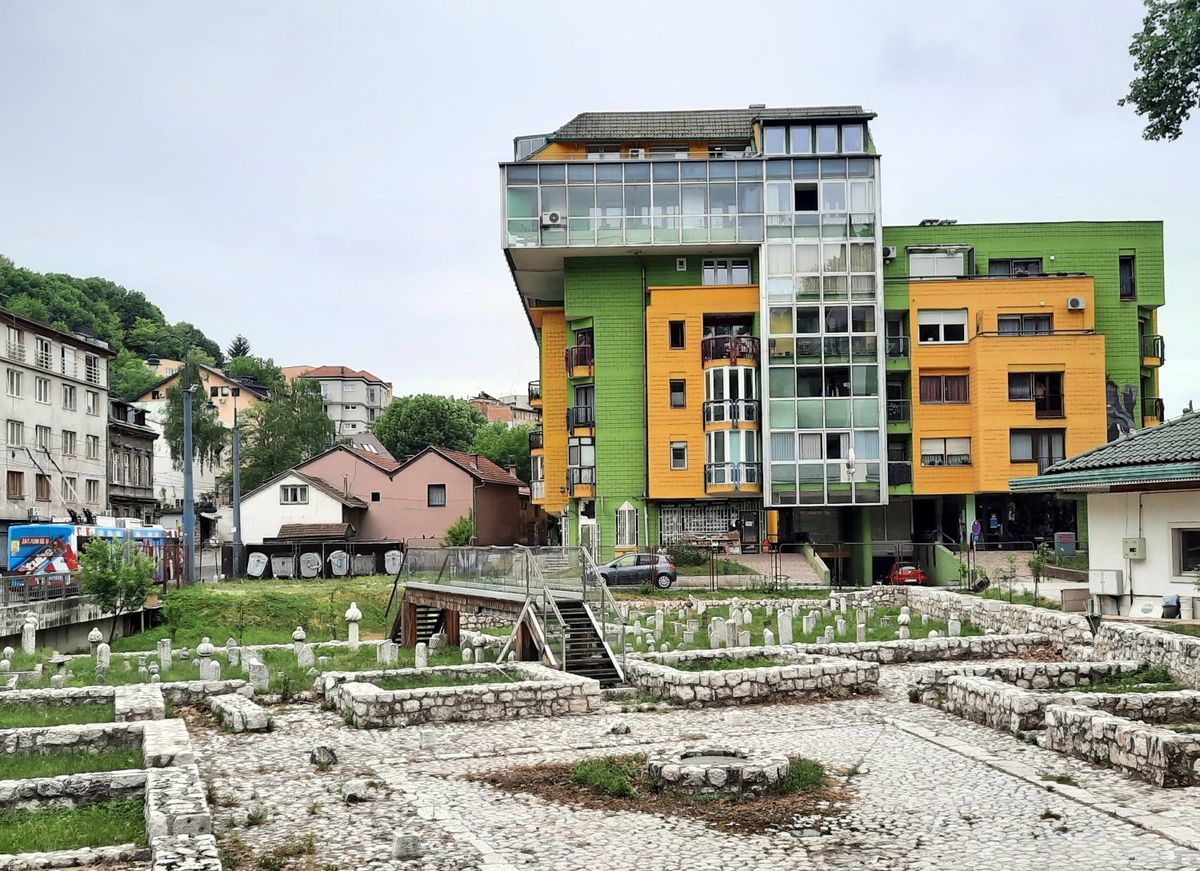
Sarajevo has a mix of Ottoman, Austro-Hungarian, and SFYR influences, often right next to each other
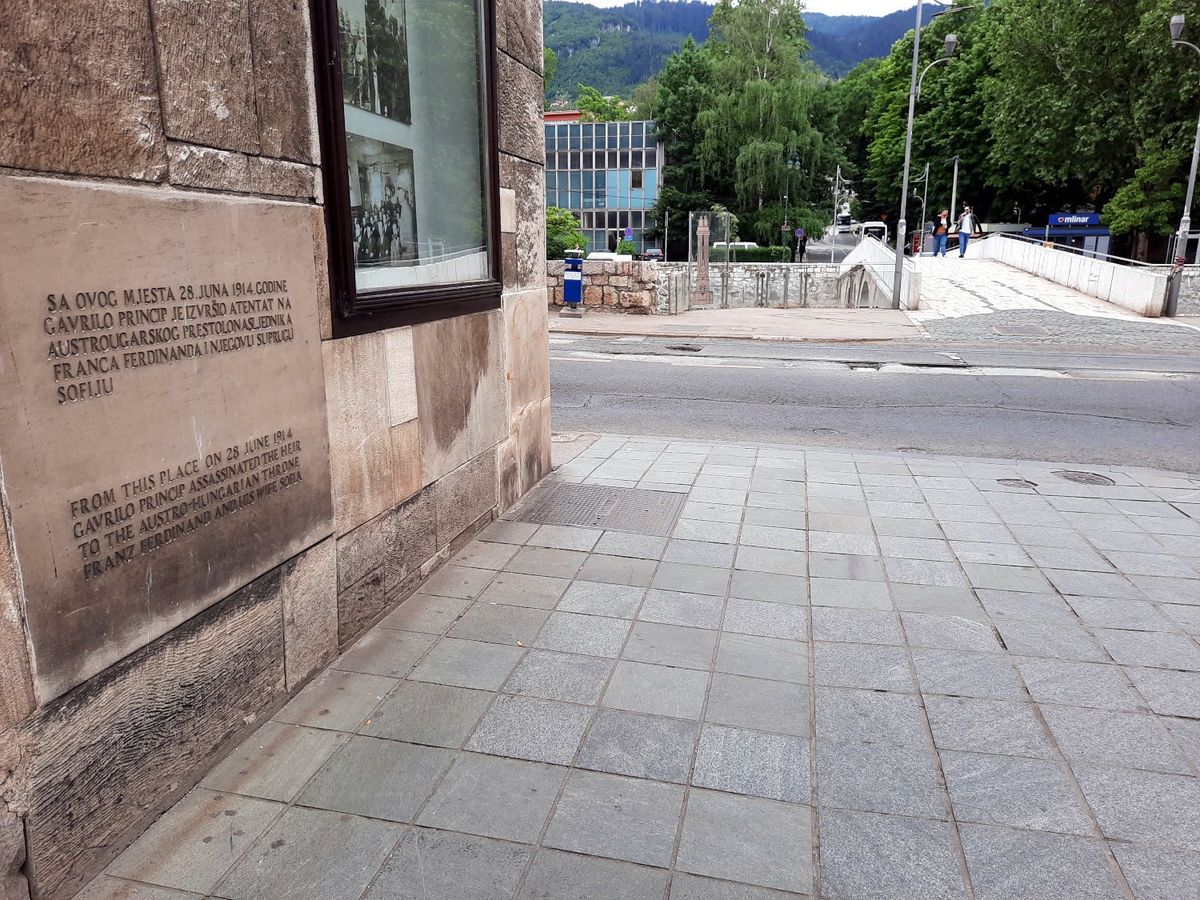
The site that started WWI, with the Latin Bridge visible in the background. The assassin is still a controversial character, with some seeing him as a freedom fighter who fought back against the Austro-Hungarian takeover of the region.
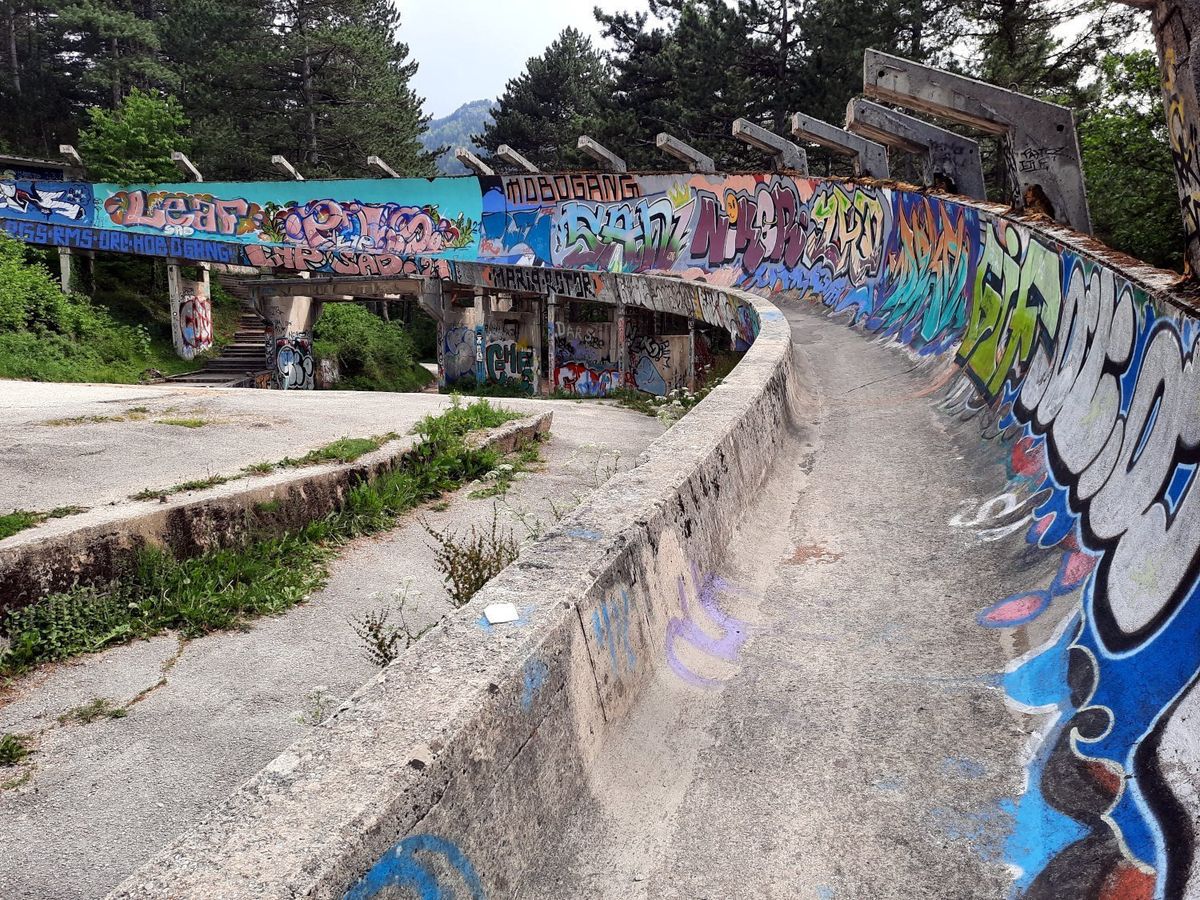
The abandoned bobsled track from the 1984 Winter Olympics on the hill above town is a frequently visited place thanks to a cable car connection
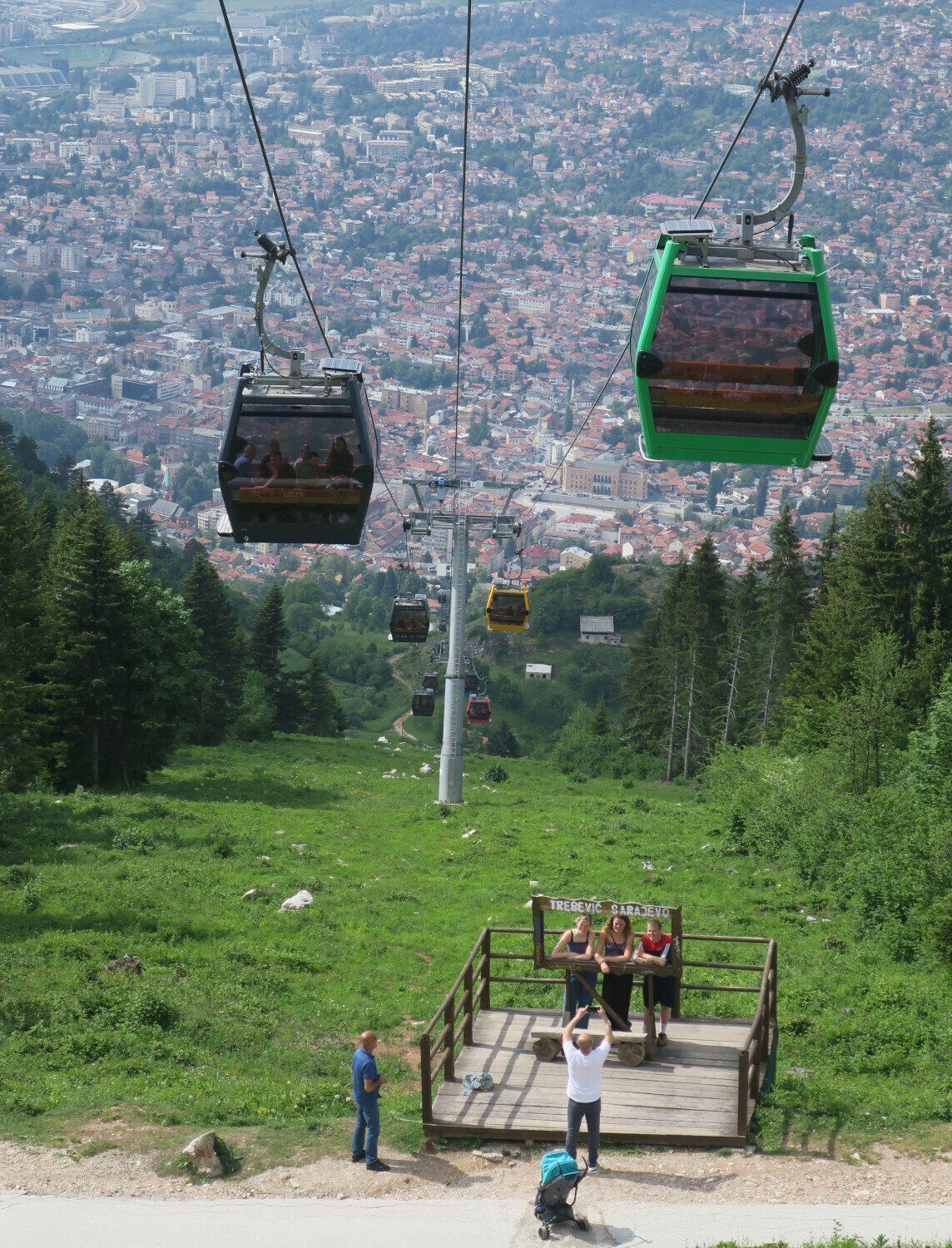
The cable car to a viewpoint above Sarajevo
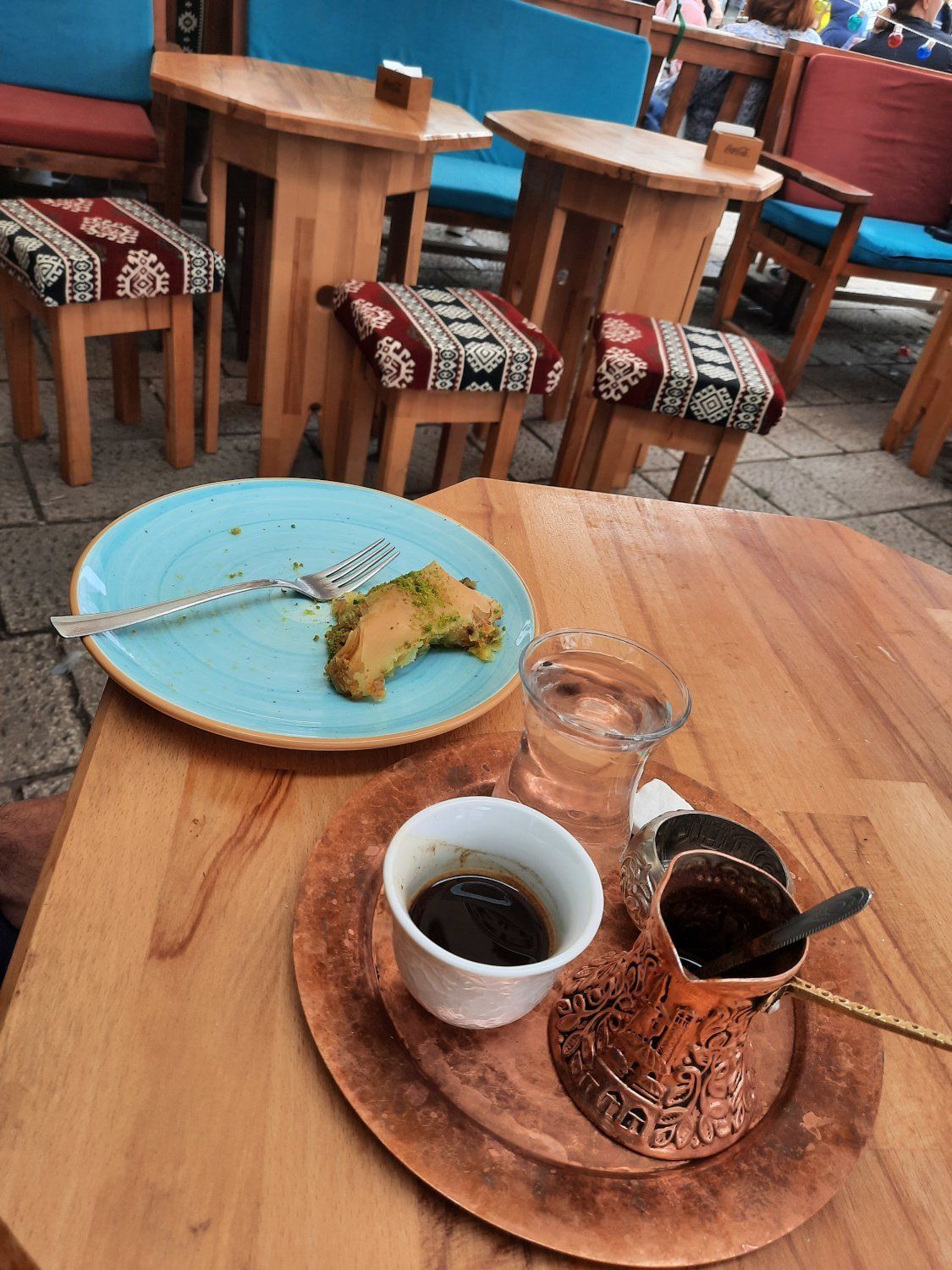
Taking part in the cafe coffee culture is a must in the Balkans, and especially in Bosnia and Herzegovina
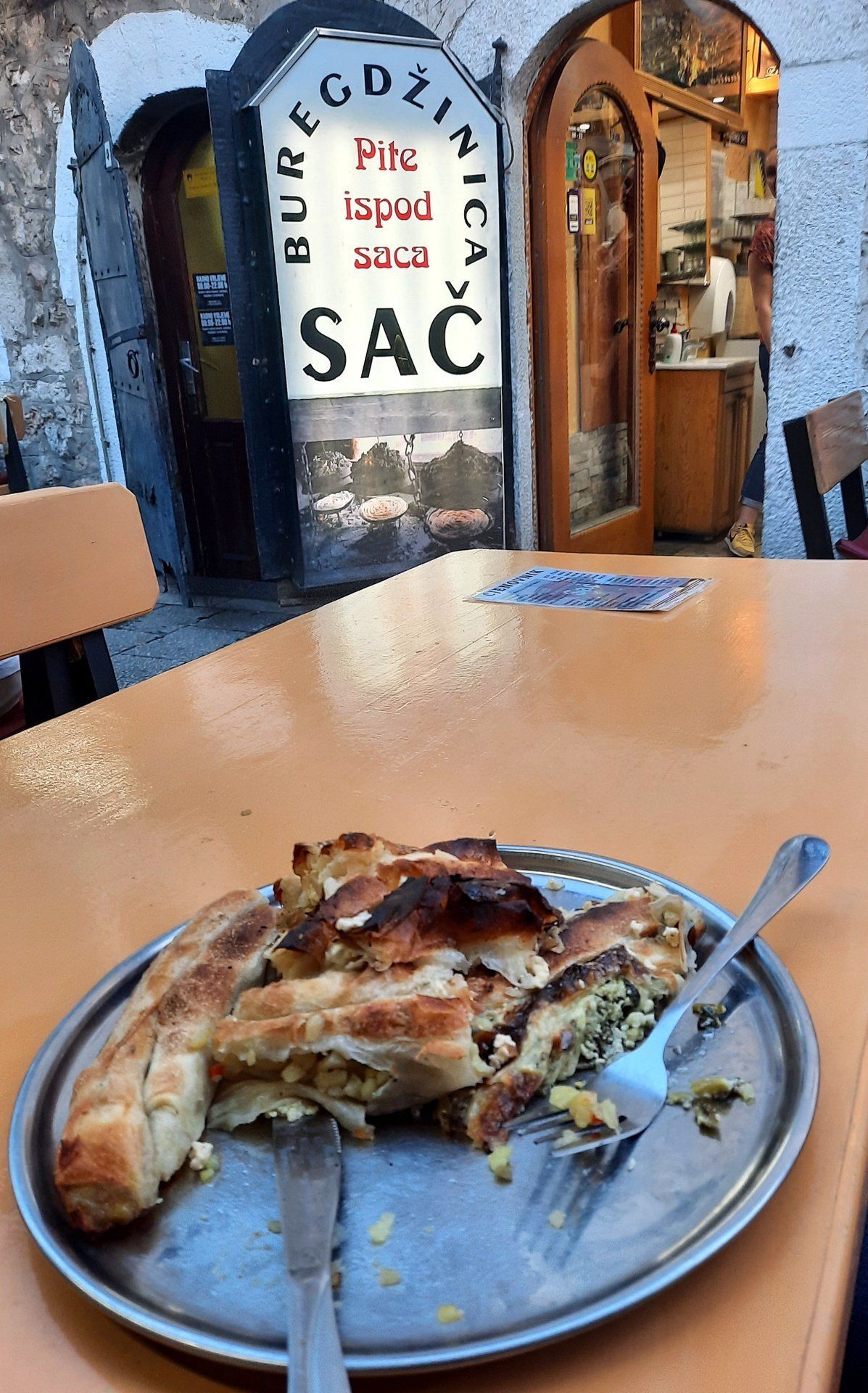
If you don't eat burek, did you even visit the Balkans?
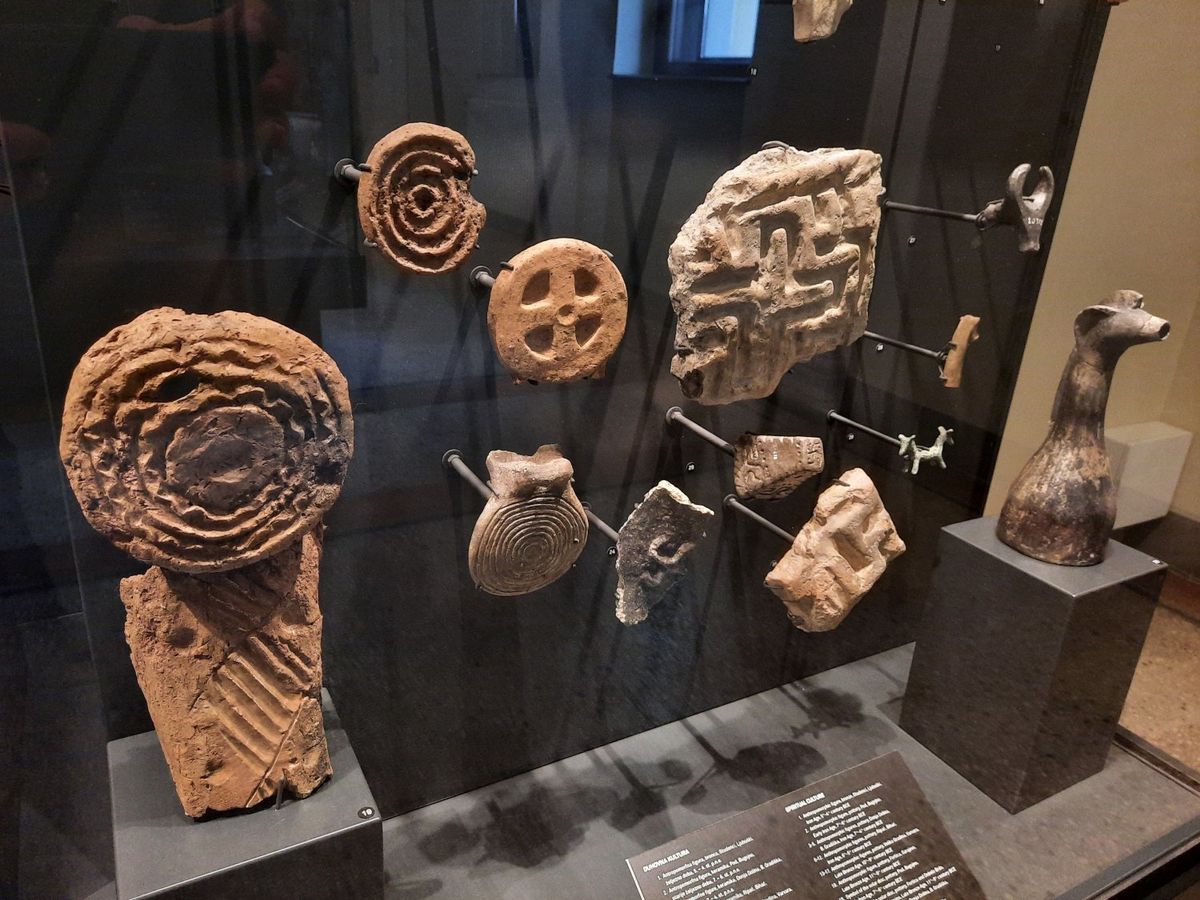
The Balkans are near Greece and Rome, so there's a long history of people living in the region
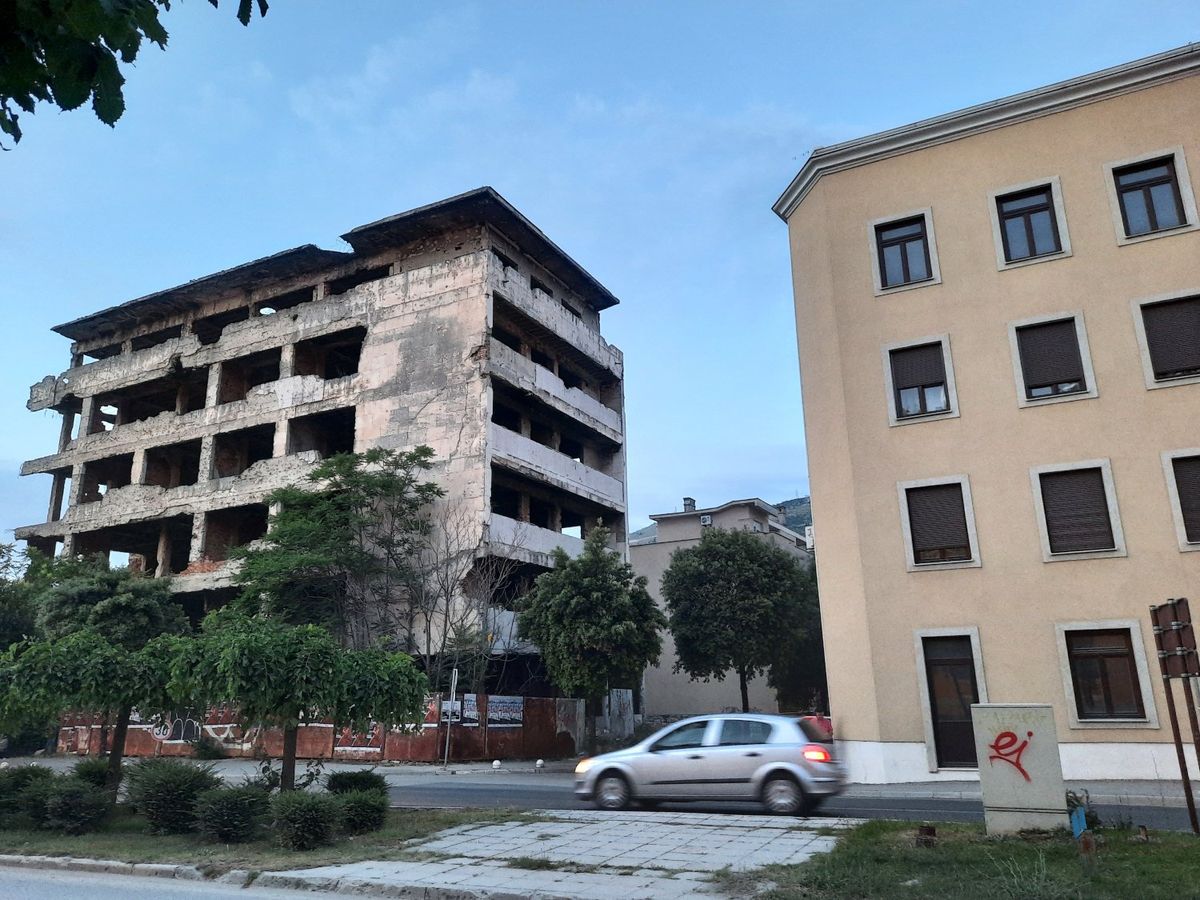
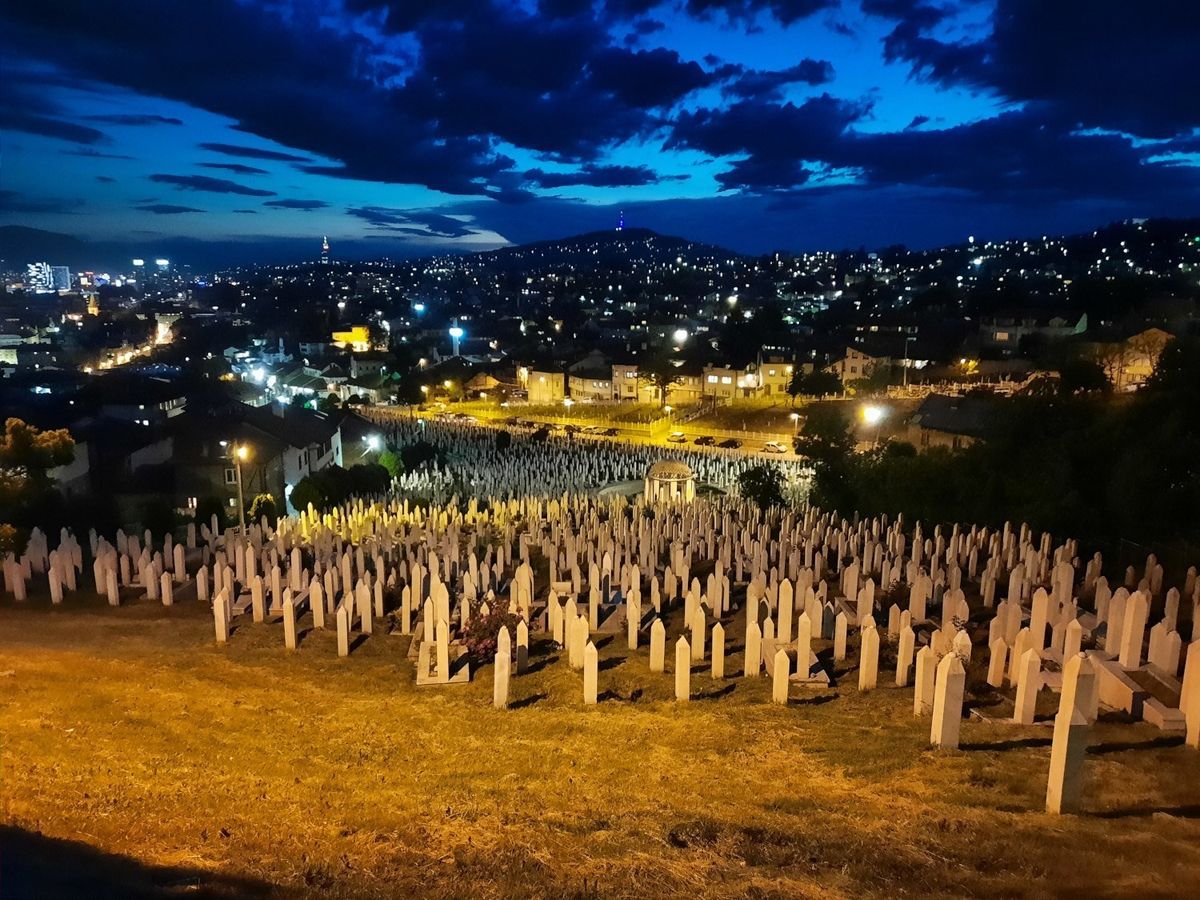
The conflict in the 1990's is still in people's memory and there are frequent painful reminders of those hard times in many cities
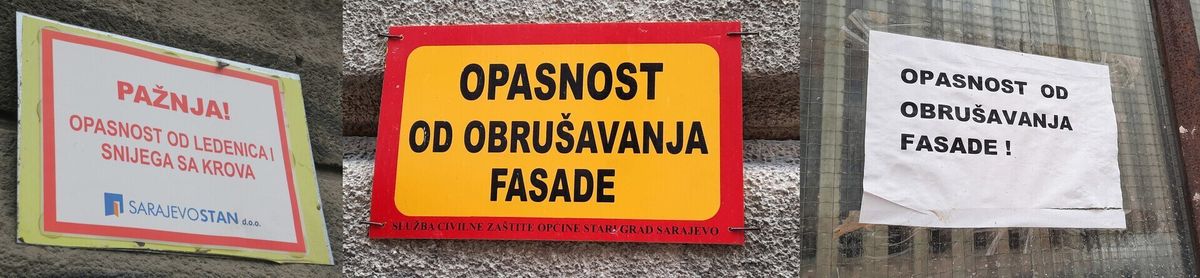
There are many warning signs on buildings warning about facade that could collapse or fall off. However, the first photo of these three warns about something different!
The many graveyards within city limits is another reminder of the conflict
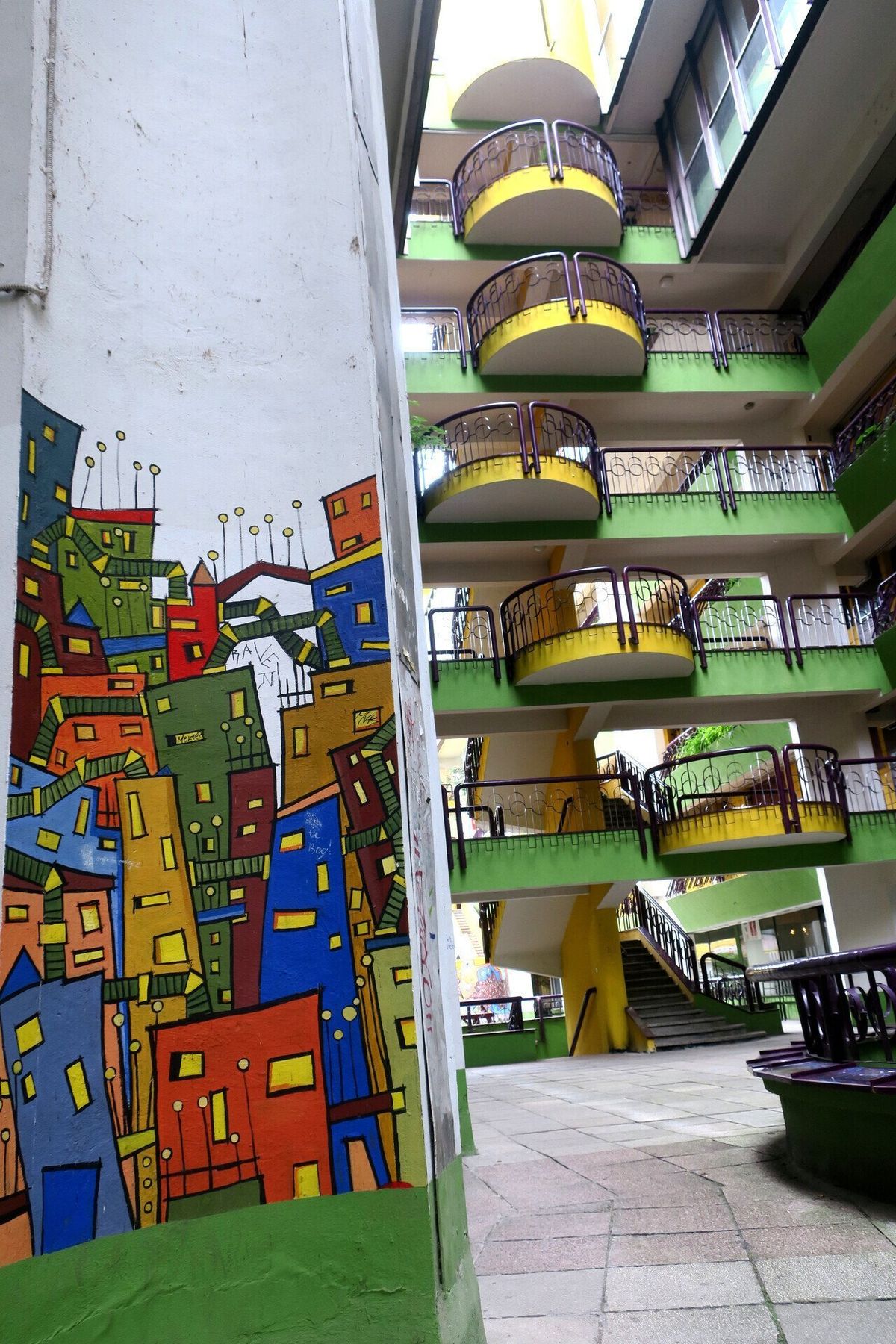
Murals
While reading about the cities I was visiting in Bosnia and Herzegovina, I didn't read anything about the murals and art I would find on buildings around town. Other cities that I have visited with a similar amount of artwork prominently describe it as a positive feature of the city. Because it might not be widely known, I thought it worthwhile to compile some of the art pieces I encountered.
Mostar mural along Tvrtka Milosa
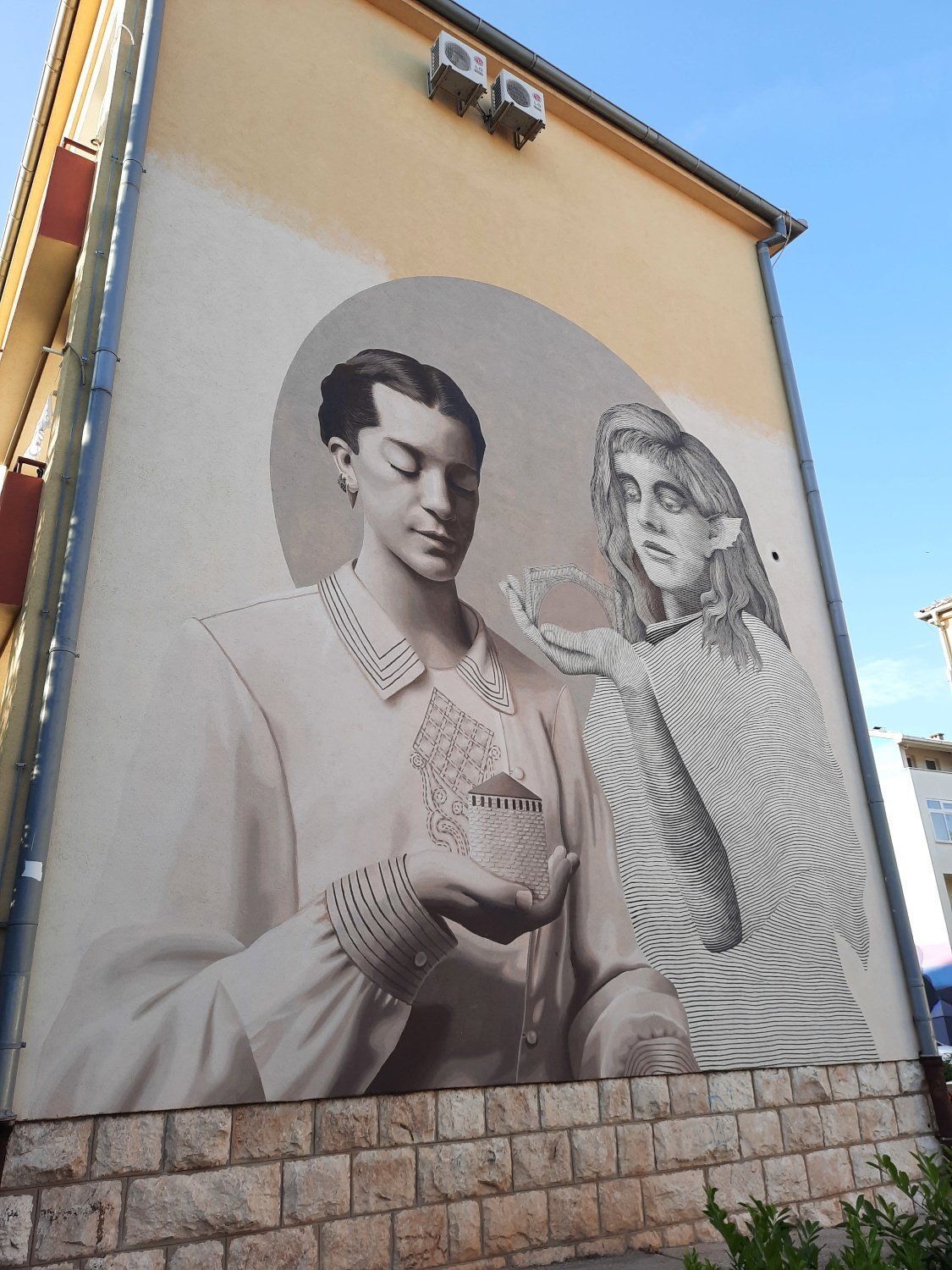
Mostar mural along Tvrtka Milosa
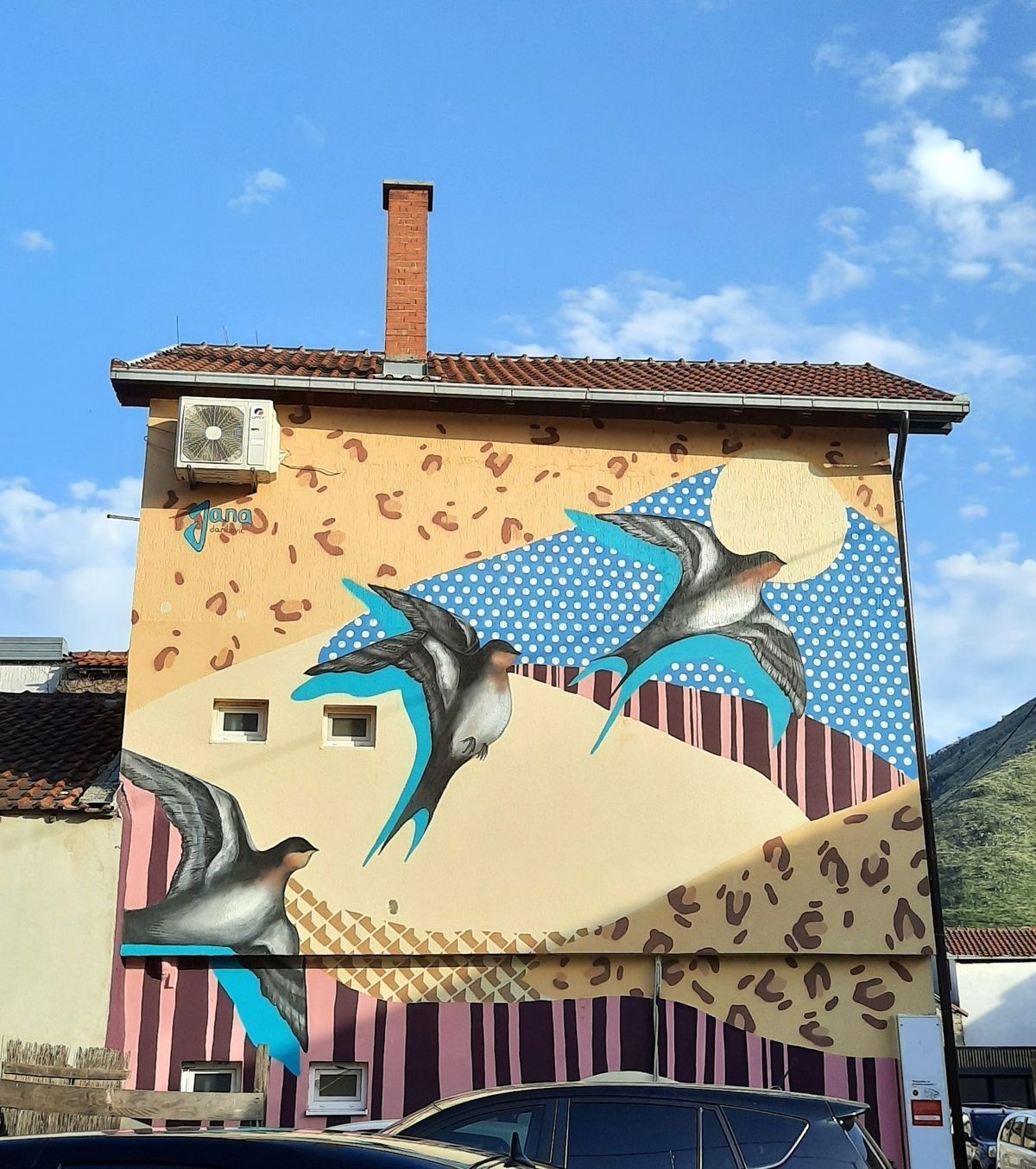
Mostar mural along Tvrtka Milosa
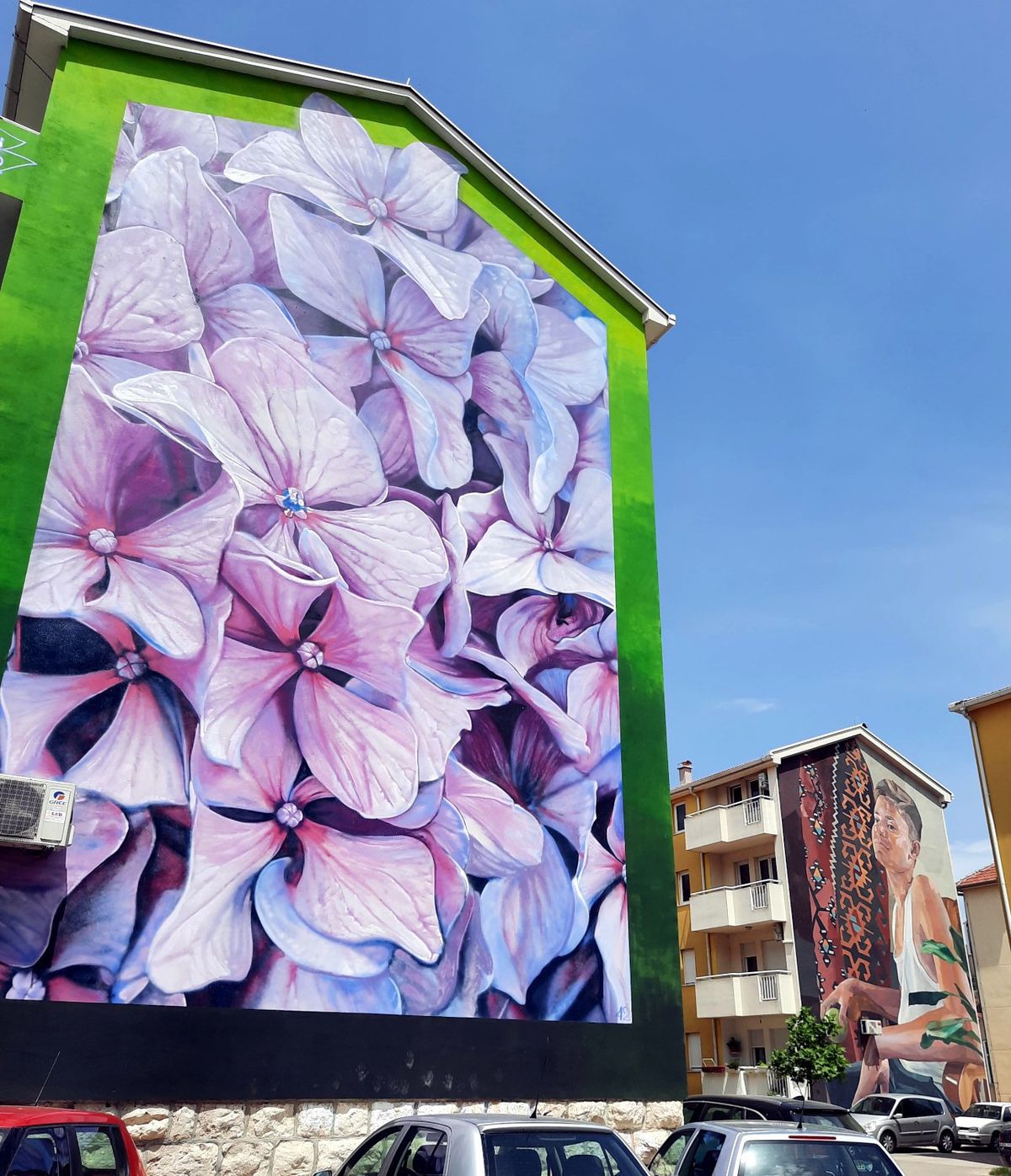
Mostar mural along Tvrtka Milosa
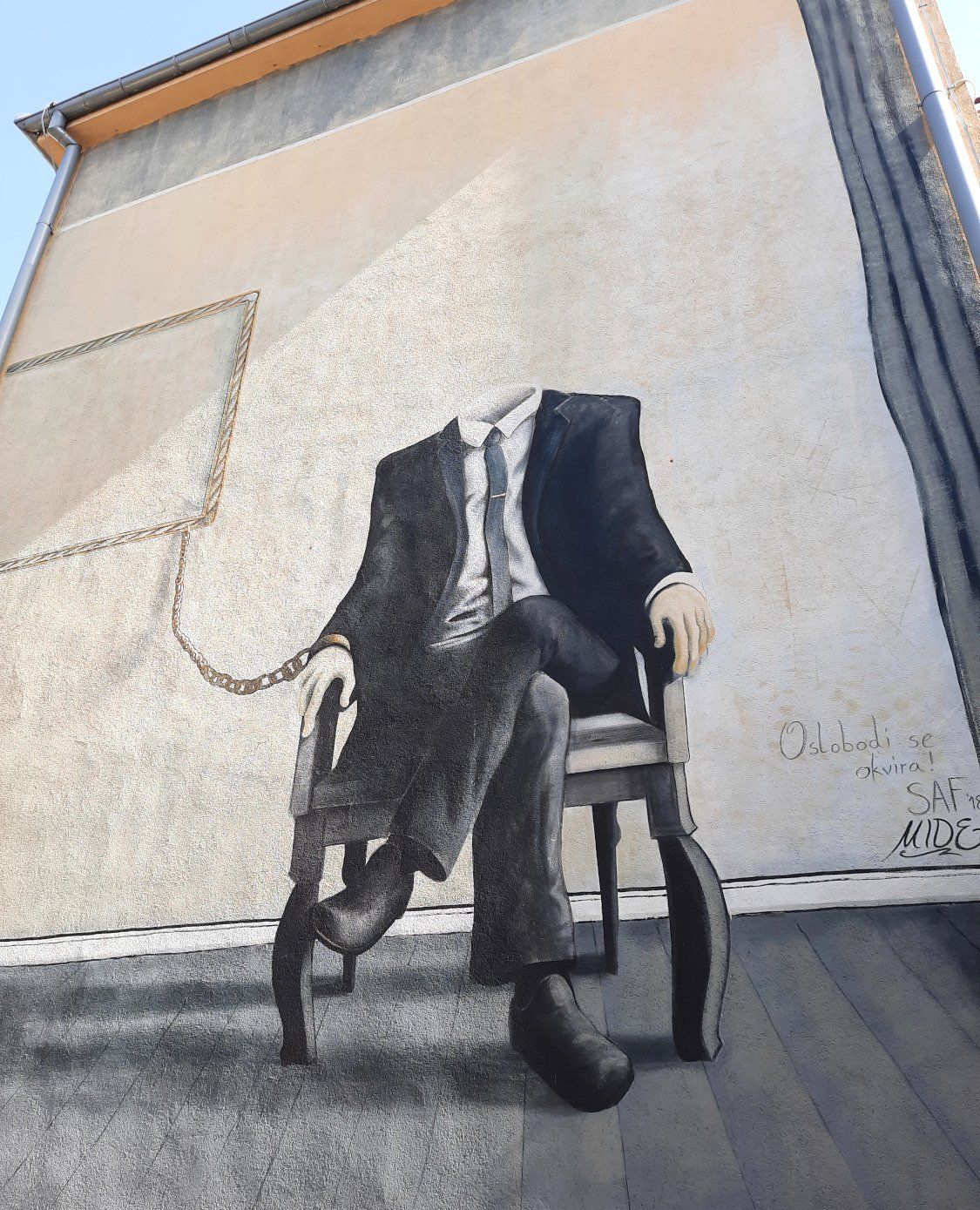
Sarajevo mural at Papagajka next to the Ashkenazi synagogue
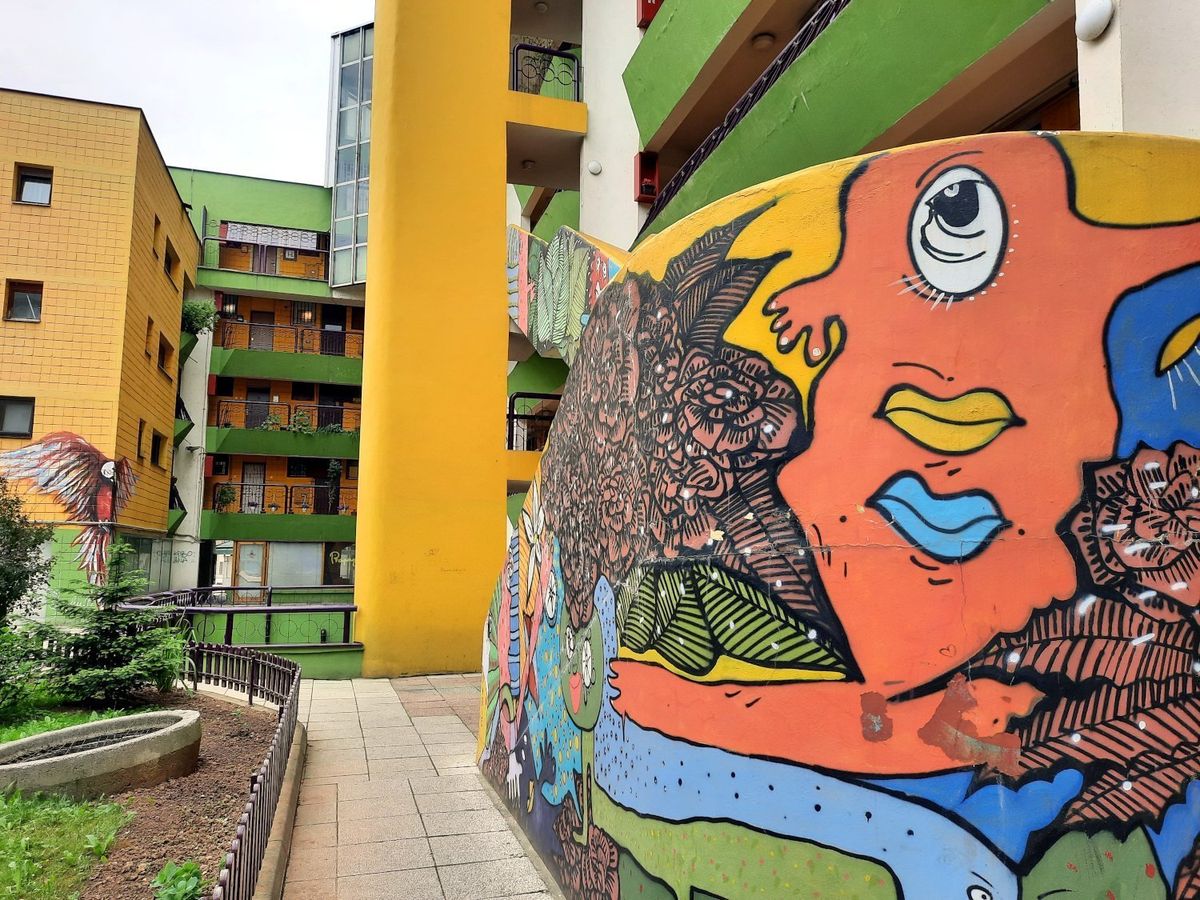
Sarajevo mural at Papagajka next to the Ashkenazi synagogue