When traveling, you're guaranteed to encounter surprises, new ideas, or situations that make you question (or even change) your assumptions. These are a few items I have encountered so far, but this is part 1 with more to come.
Food
- Most if not all supermarkets and hypermarkets I have visited are much more focused on food than other goods. I always knew the USA imported tons of manufactured products from Asia, but it's more noticeable just how much the USA consumes when a large Walmart-sized European hypermarket is only 25% or less non-food items when I expect about 60% or more non-food items in USA hypermarket-equivalents.
- The fruit in supermarkets might not look as "perfect" in color as fruits in the USA, but the taste is incomparably better. I don't know if this is only the case for fruits that are grown more locally and don't need to be transported long distances like in the US, or if the issues is that the fruits and vegetables in the USA are genetically modified for quantity over quality. My guess is a mix of both.
- The options for pre-washed bagged salad I find in stores is much more limited, but mâche (AKA lamb's lettuce) is found in almost every supermarket. For some reason this variety of lettuce hasn't caught on in the USA
- Vegetarian pizza (at least in Croatia) often includes corn and sometimes orange bell peppers. I have a picture of the stereotypical vegetarian pizza in the USA with no corn and green bell peppers, not orange
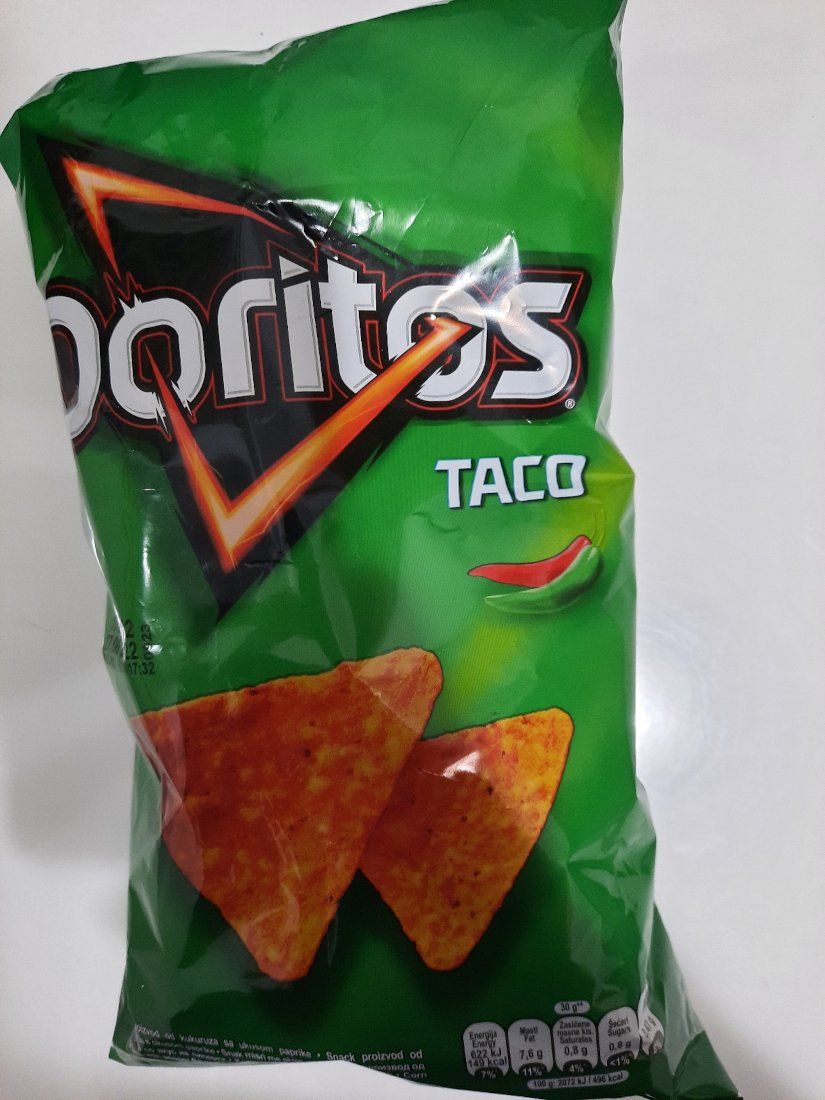
- I thought these Taco flavored Doritos were unusual, but apparently these are actually an old flavor, not a new one
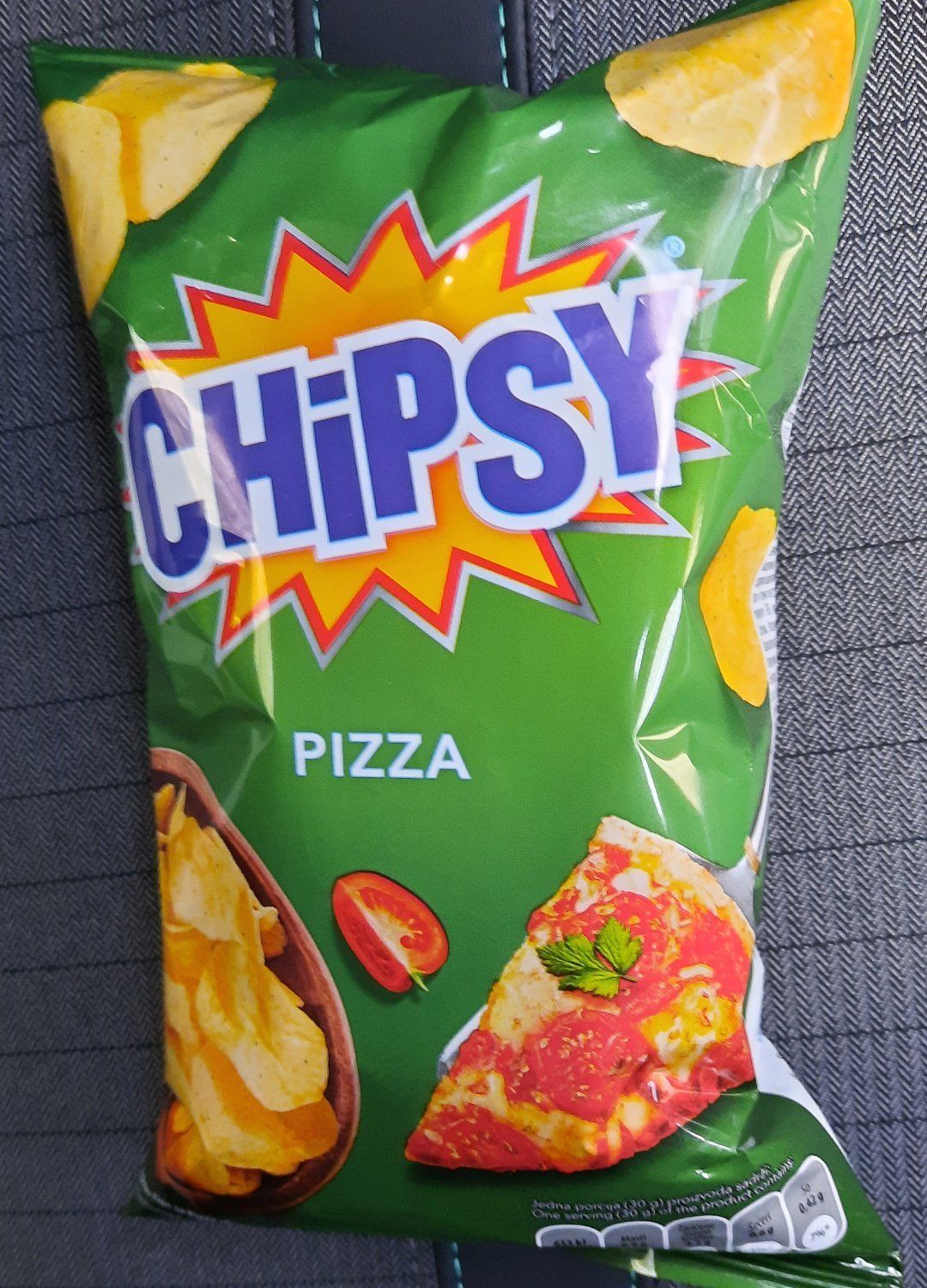
- Everyone like chips. Everyone like pizza. Maybe the USA needs this flavor?
Cities
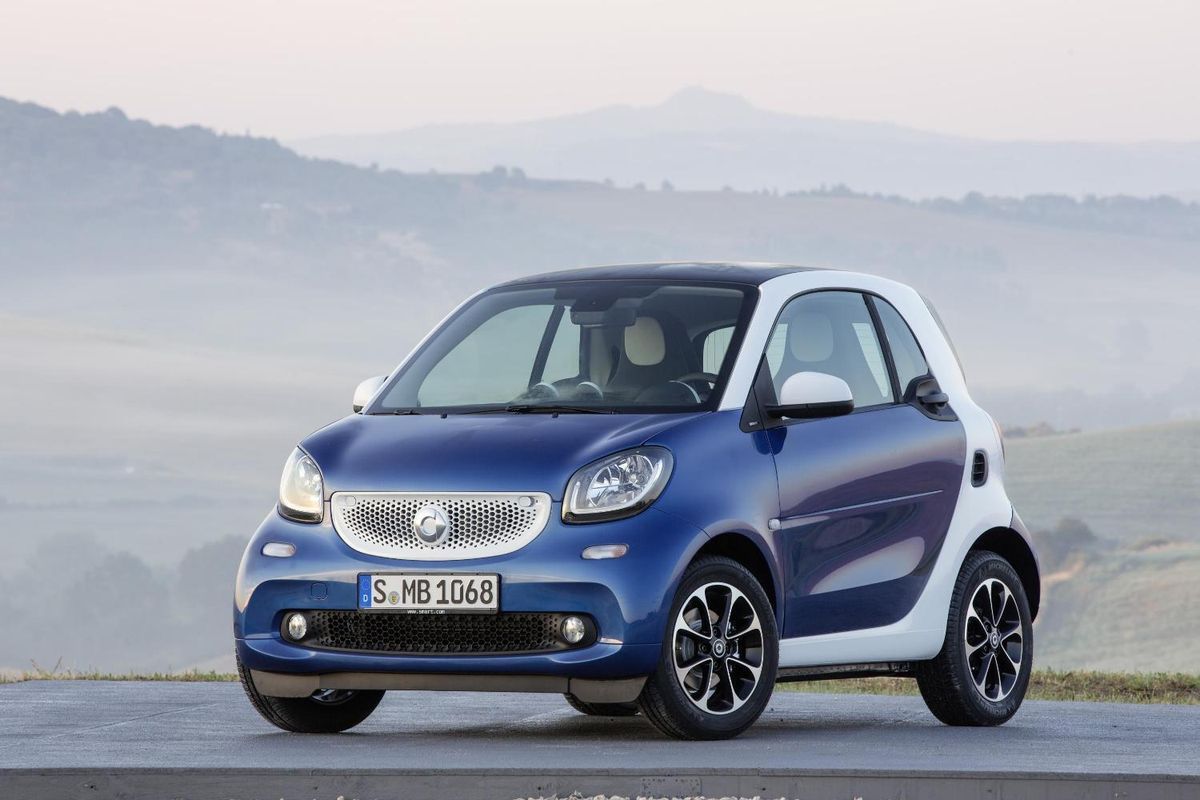
- The most common car model in every city, including Monaco, is the tiny smart car. Space is at a serious premium in cities that have an immovable barrier like cliffs or water on at least one side.
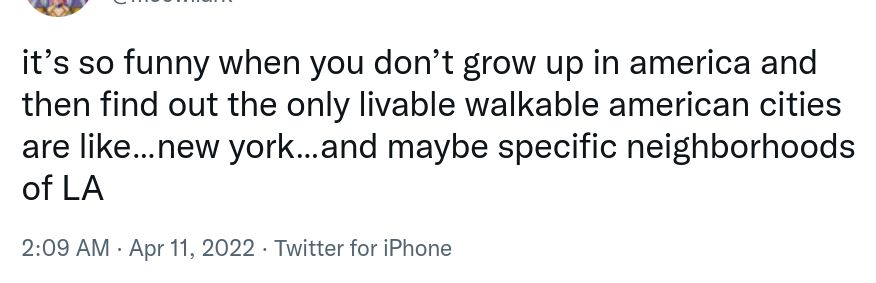
- In nearly every European city I've been to so far, public transit and walkable neighborhoods are a given. This Twitter quip isn't fully accurate (it forgets maybe... parts of 4 or 5 other cities?), but it has a point.
Random
- The internet does seem divided into linguistic spheres, so entering a different sphere by using Google Translate or speaking another language can sometimes open up a whole new world of information, especially information relevant to the region speaking that language.
- On two separate occassions I have visited a particular cafe twice, but on my second visit I find the prices have already been increased by 10-25%. Inflation is at work in realtime!
- All bakeries I visited in Nice, France had automatic change dispensers that worked like a vending machine. You insert the cash you are paying with and it returns the change automatically, so the cashier who is handling your food doesn't touch the "dirty" cash
- The public transit in Nice, France only stated each station name in French, but followed this up with a unique sound that could be a universal identifier, regardless of language. One station had a "bubbles" sounds, another had laser sounds, another had ocean wave sounds, etc.
- I brought up the topic of cryptocurrencies with a waiter in the Balkans, expecting a brief acknowledgement or an eyeroll. Instead, this guy was the most sophisticated crypto investor I have met outside the crypto world. I will investigate if investing in crypto is more prevalent outside the USA because the options for buying local stocks are much more limited.
- Some countries call jet skis “aquabikes”, or at least the World Aquabike Championship uses the term
- Translating various foreign words has ironically increased my English vocabulary because some cognates are infrequently used words in English. Other times I have learned about a new food that I have never heard of
- The concept of a tissue box doesn't appear common in the Balkans. Instead, they use toilet paper or what is effectively a roll of thin paper towels.
- Google Maps is much less useful outside the USA and western Europe. Sure, you can search for food places, but the top places will be those in the tourist area written by tourists without a perspective on what local prices are relative to what they're paying. And getting public transit directions? Forget it, you almost certainly need to download an app like Moovit or Eway when you're using public transit in the Balkans.
- This shows how spoiled life is in the USA, but one odd observation I had was the amount of lint on towels and bedding in the Balkans. Because laundry is air dried instead of dried in a special dryer machine, the lint isn't regularly removed from the cloth. Though the quality of the material may also have something to do with this.
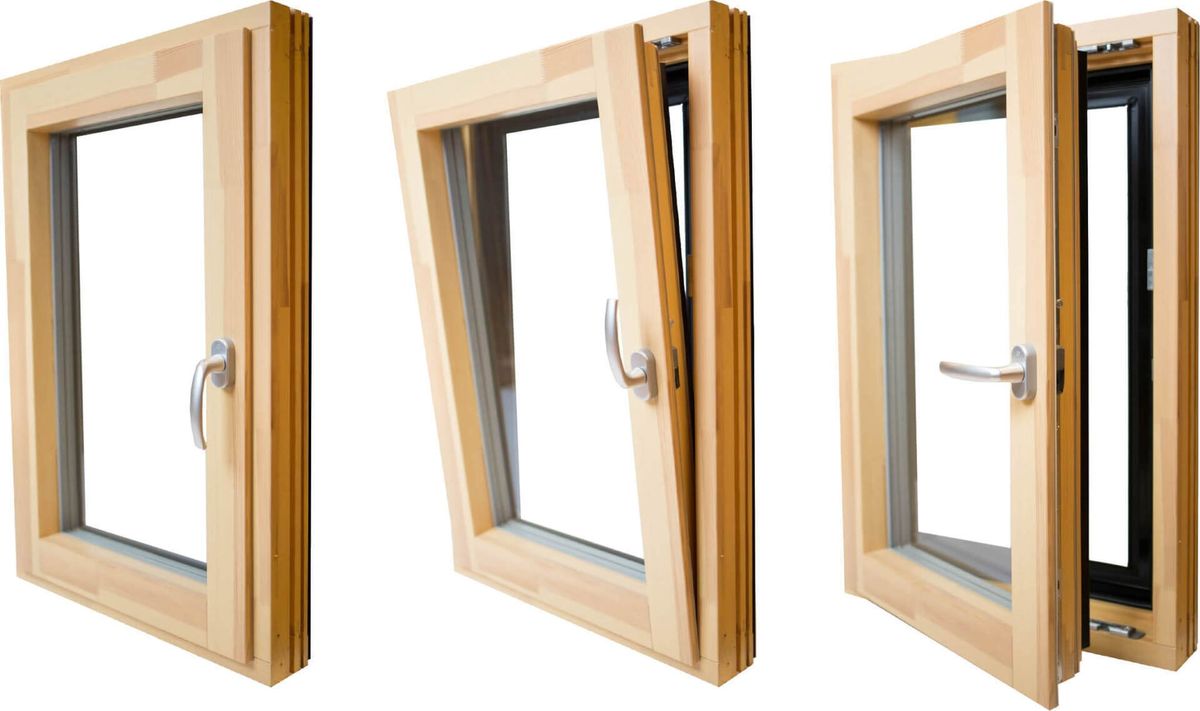
- Tilt and turn windows are pretty cool, but are far more popular in Europe than they are in the US. I hope the US catches on
In the Balkans...
- You don't wait at a restaurant for a waiter to seat you, you just sit at whatever table you want and they will come to you after you are seated. The bill is often placed on the table soon after you order, especially in Montenegro where this is required by law. This sequence appears to save 2 interactions with the waiter compared to my experience in the US and therefore seems more efficient. Why isn't this the standard approach?
- There is a very clear distinction between "fast food" place and a restaurant. Fast food is for when you don't want to sit for an hour and where the food quality is considered higher. I feel things aren't as black and white in the USA, because you can eat quickly in a restaurant. And places like Chipotle or Panera seem like a hybrid of the two in my mind, but I found no such hybrid in the Balkans.
- The term "cafe" normally refers to an all-day bar that doesn't serve food. Eating food at a cafe is unusual. You eat food in restaurants.
- Yugoslavia and Tito's era is considered the highlight of recent history for most countries in the Balkans. I was not aware that despite the socialist structure of SFYR, citizens were welcome to come and go with visa-free travel to ~100 countries in the world. Much unlike people living in the Soviet Union, East Germany, or similar countries at that time. And unlike the Soviet Union, Albania, and other countries with Communist or Socialist structures at the time, SFYR might be the only one I know of that didn't unravel due to economic reasons.
- It was very common for Yugoslavians to work in Germany or Austria for some years and this trend appears to have continued to some level to the present day.
- The skepticism towards the west and the tilt towards Russia is palpable in parts of the Balkans, especially closer to Serbia. Given the Slavic linguistic and ethnic connections I'm not surprised, but westerners should be prepared to hear viewpoints that are not often heard outside cyrillic sources.
- I was surprised by the high level of English skills among the locals. Especially in Bosnia and Herzegovina, speaking English and German seems quite normal for people under 30, perhaps because the high unemployment in the country pushes people abroad for work.