Turkey is the true intersection of east meeting west, Europe meeting Asia, combined with a long and ancient history. The country is home to Göbekli Tepe, an ancient archeological site from 8000 B.C. that makes Stonehenge and the Egyptian pyramids look young. The kebabs, baklava, and other Turkish foods are globally renowned, and the geography of the country offers a wide variety of locations and destinations.
Travel thought: Which country have you visited that has the least English fluency? How about the least English fluency compared to your expectations?
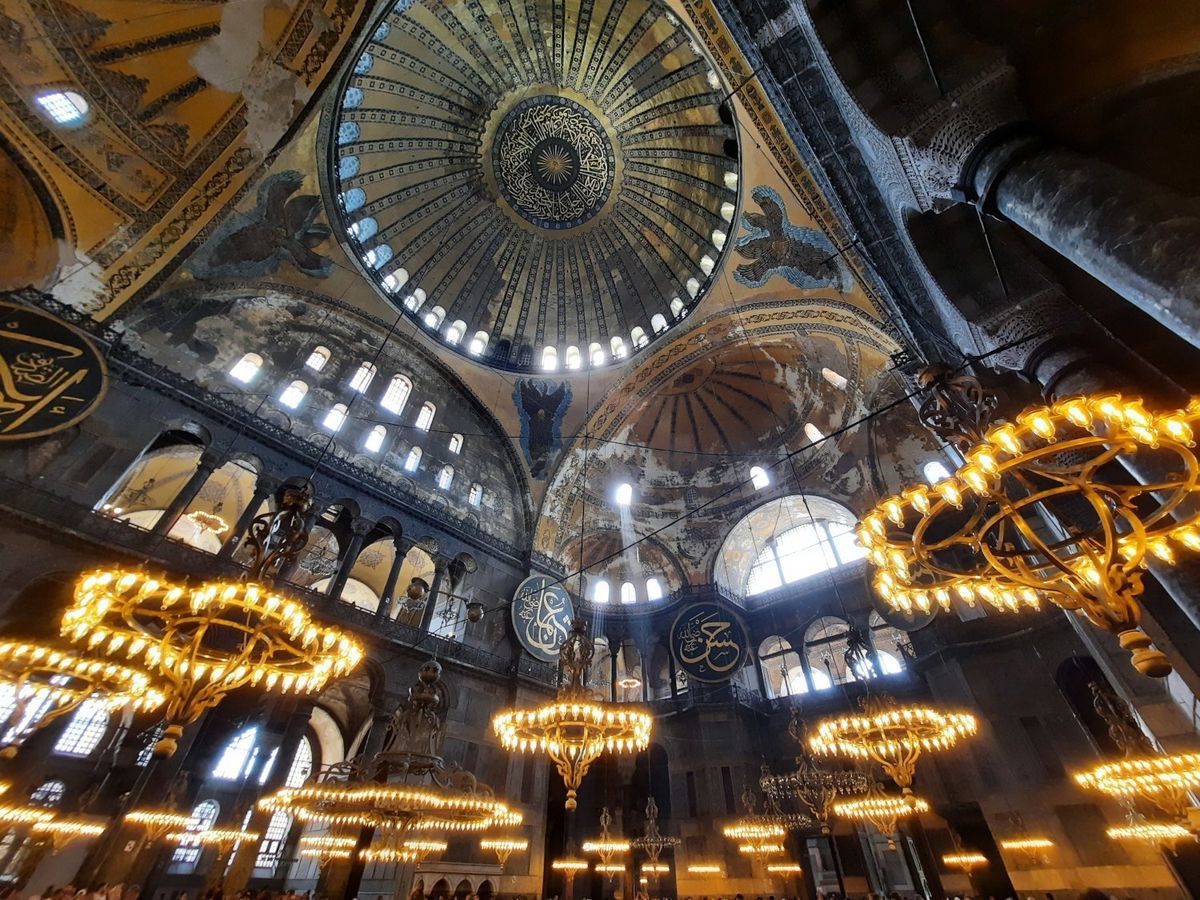
Interior of Hagia Sophia
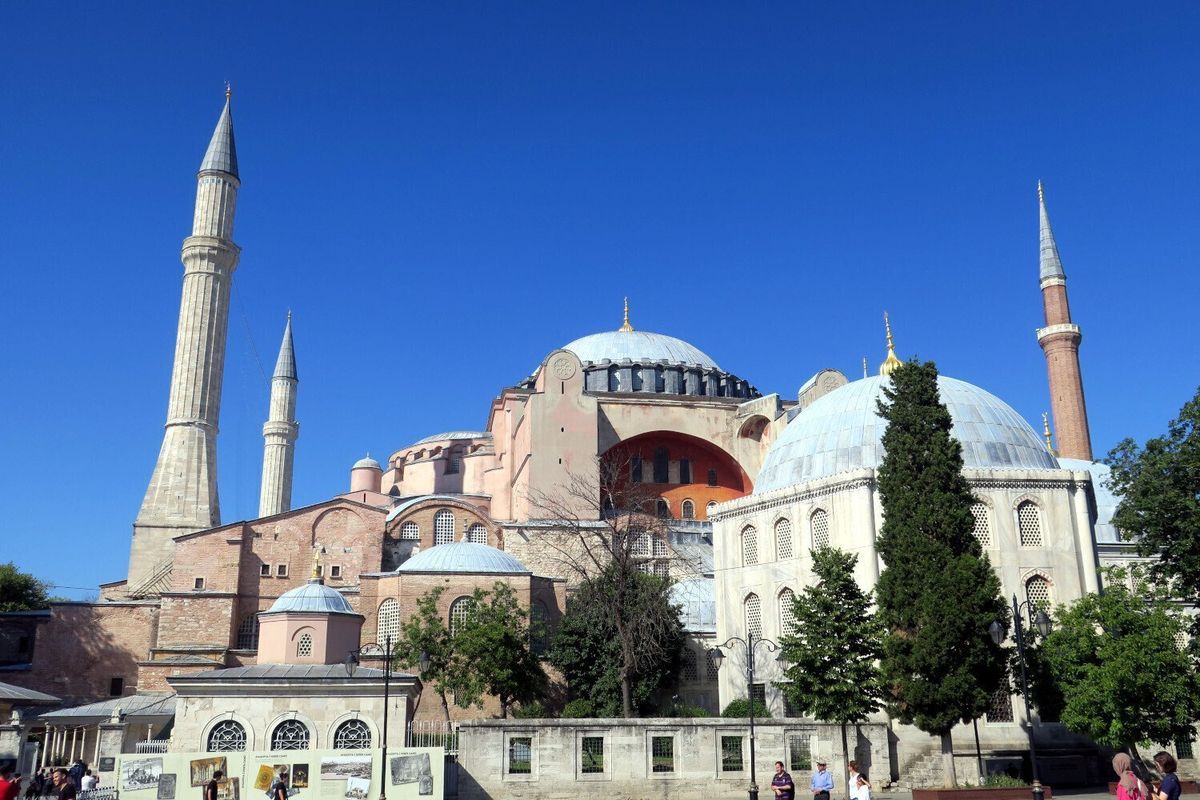
Exterior of Hagia Sophia
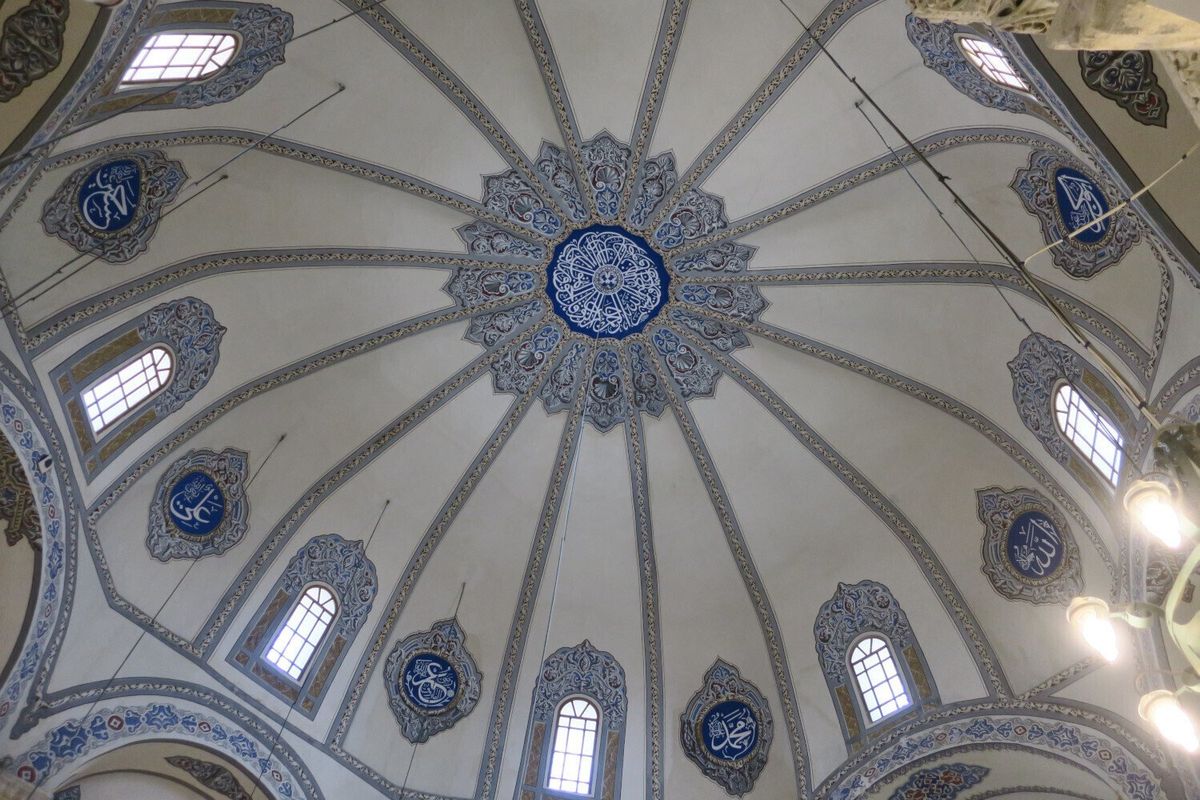
Interior of Little Hagia Sophia (a completely separate building)
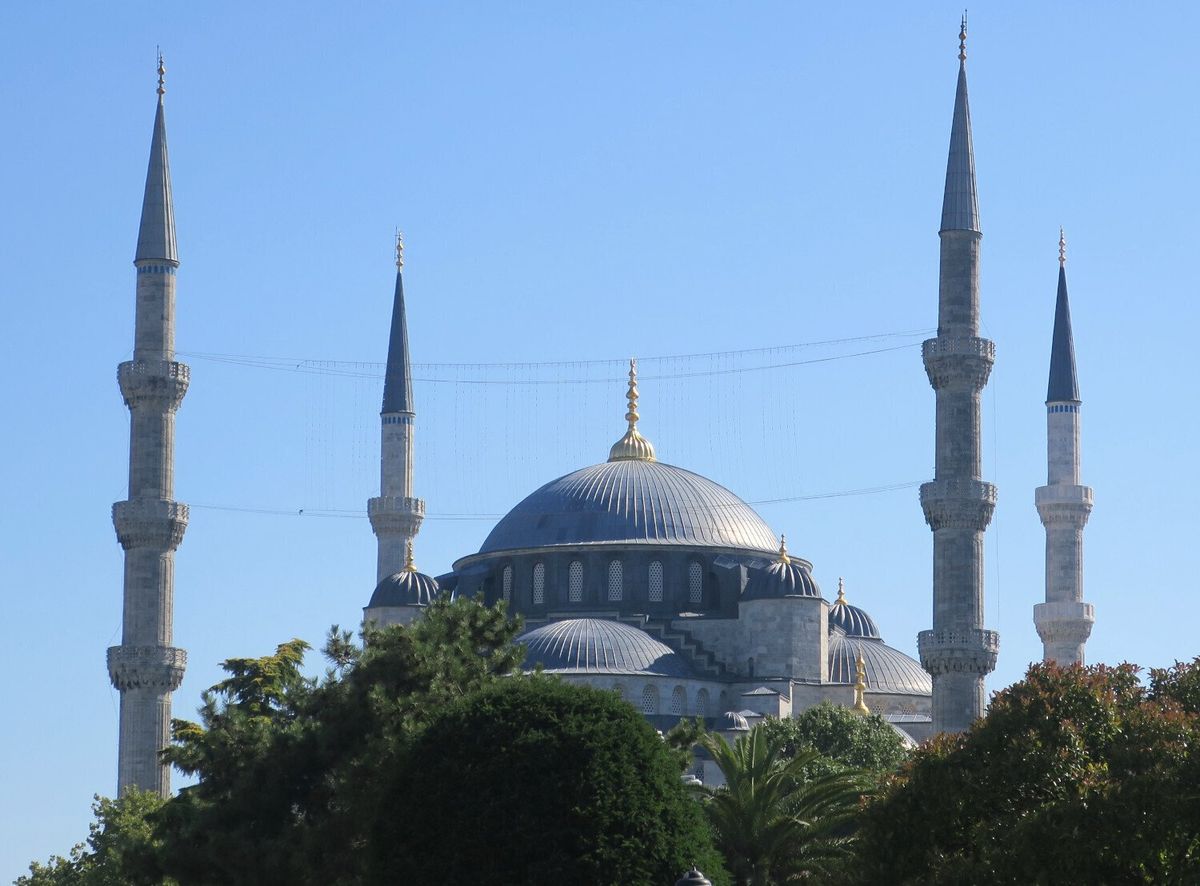
The famous Blue Mosque, near the Hagia Sophia. The mosque was under renovation when I visited which made the interior design hard to photograph
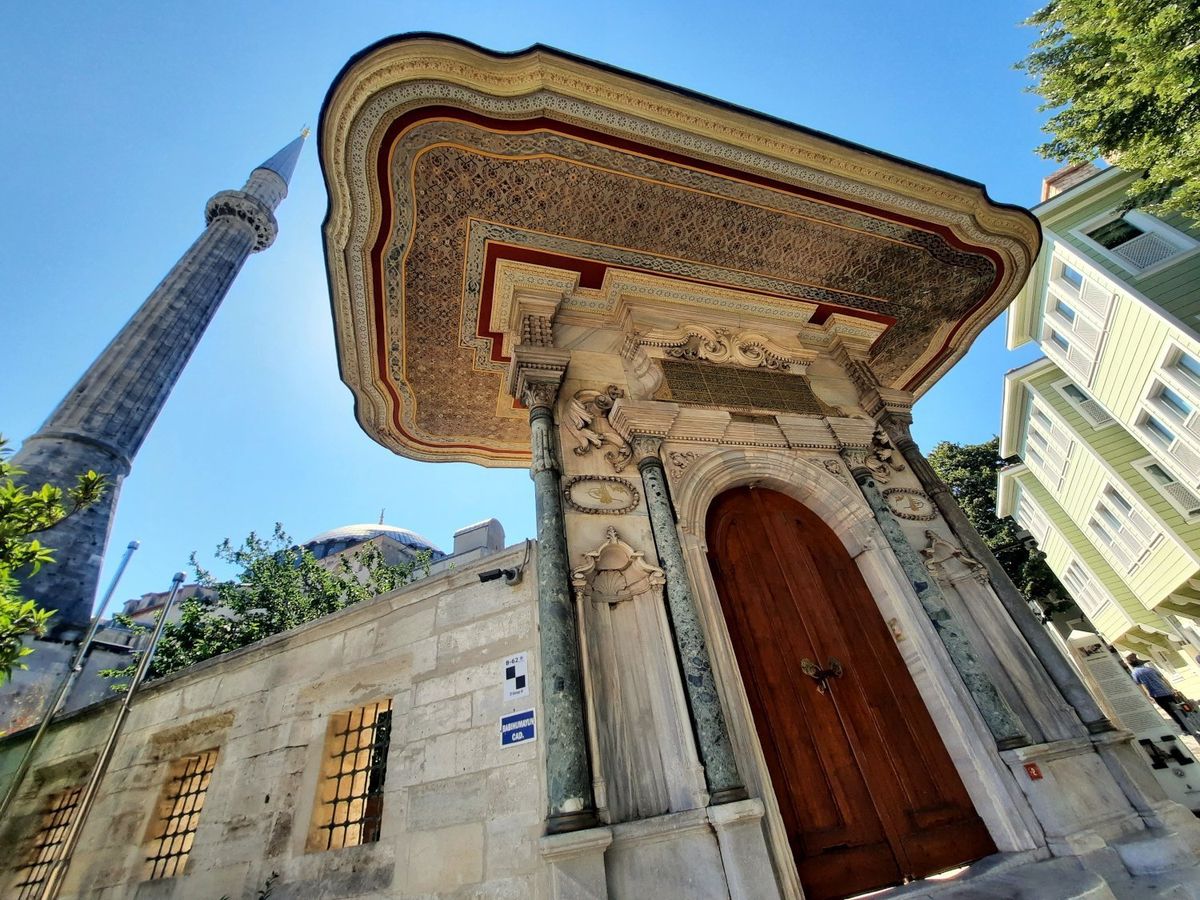
Ornate Ottoman architecture is found throughout the downtown
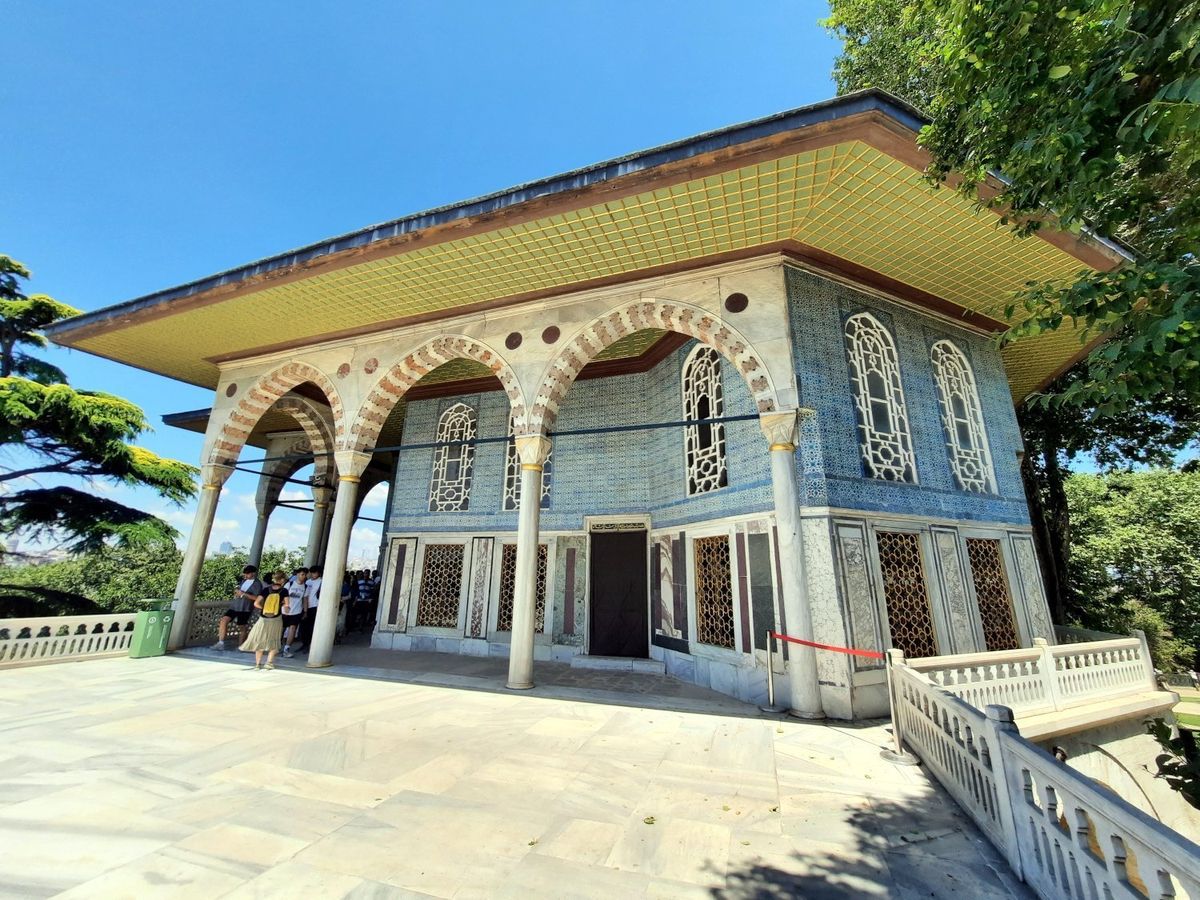
Ornate Ottoman architecture at the Topkapi Palace Museum
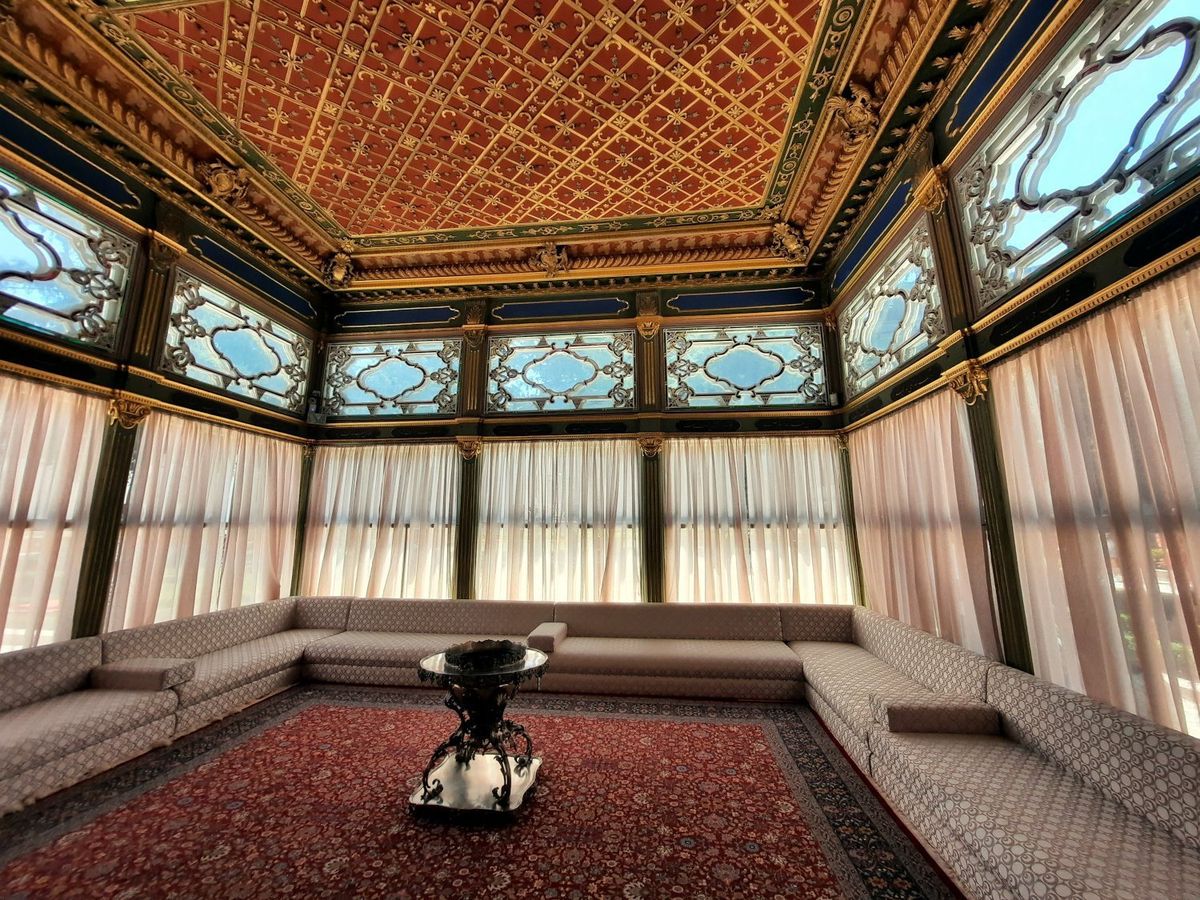
Tea with the Sultan, anyone?
If all libraries looked like this, everyone would love to read!
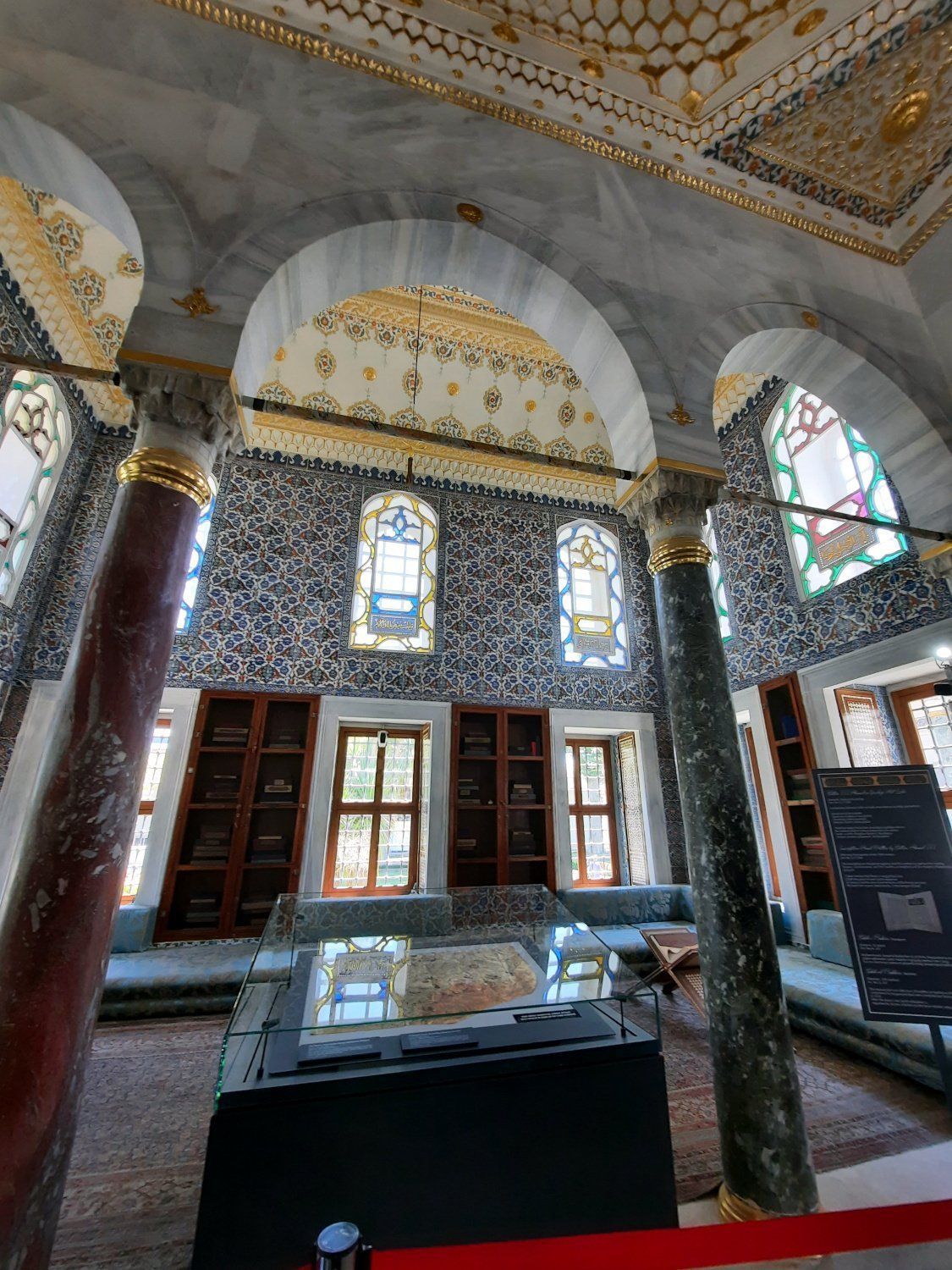
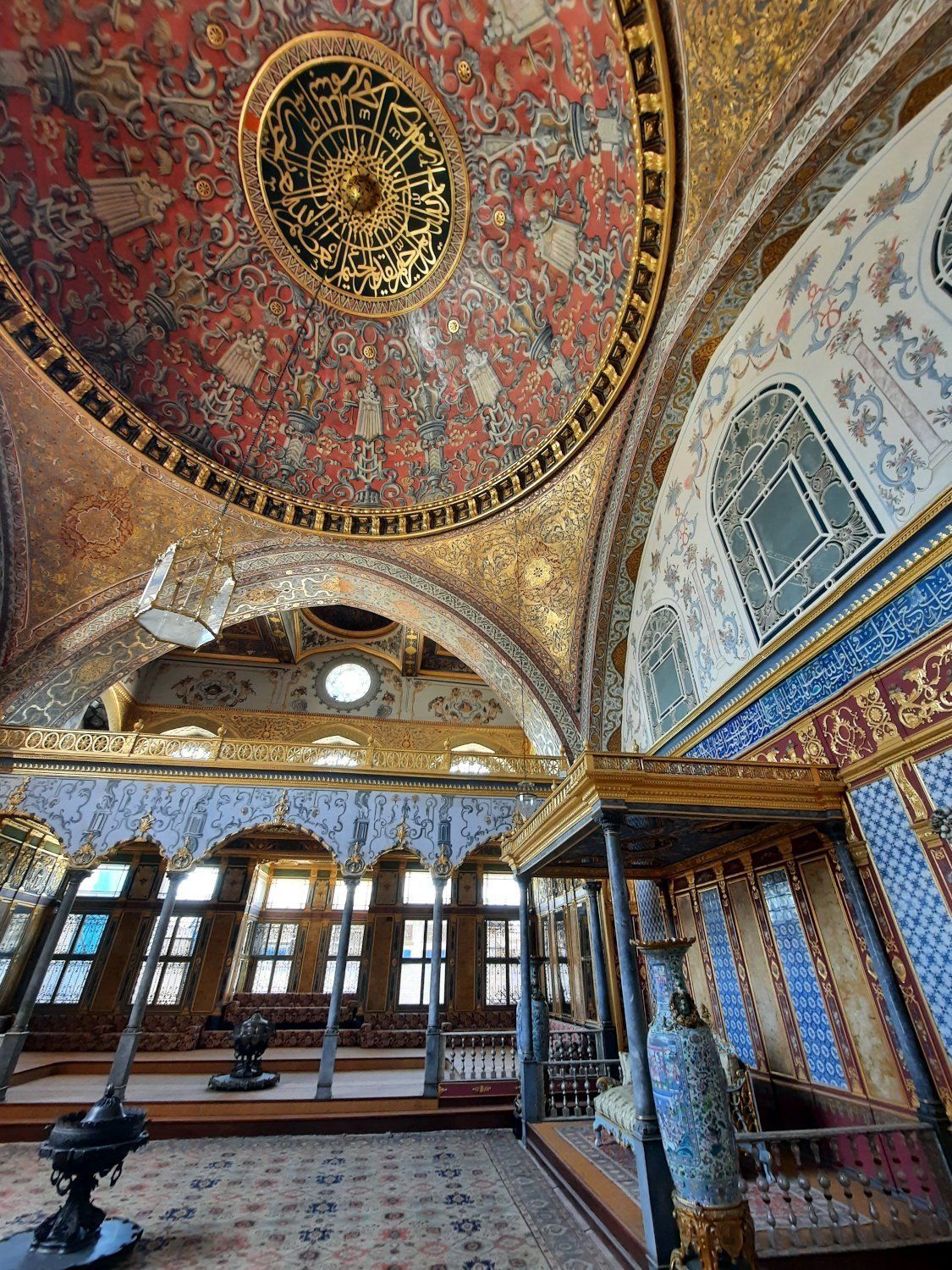
The Ottoman answer to Versailles
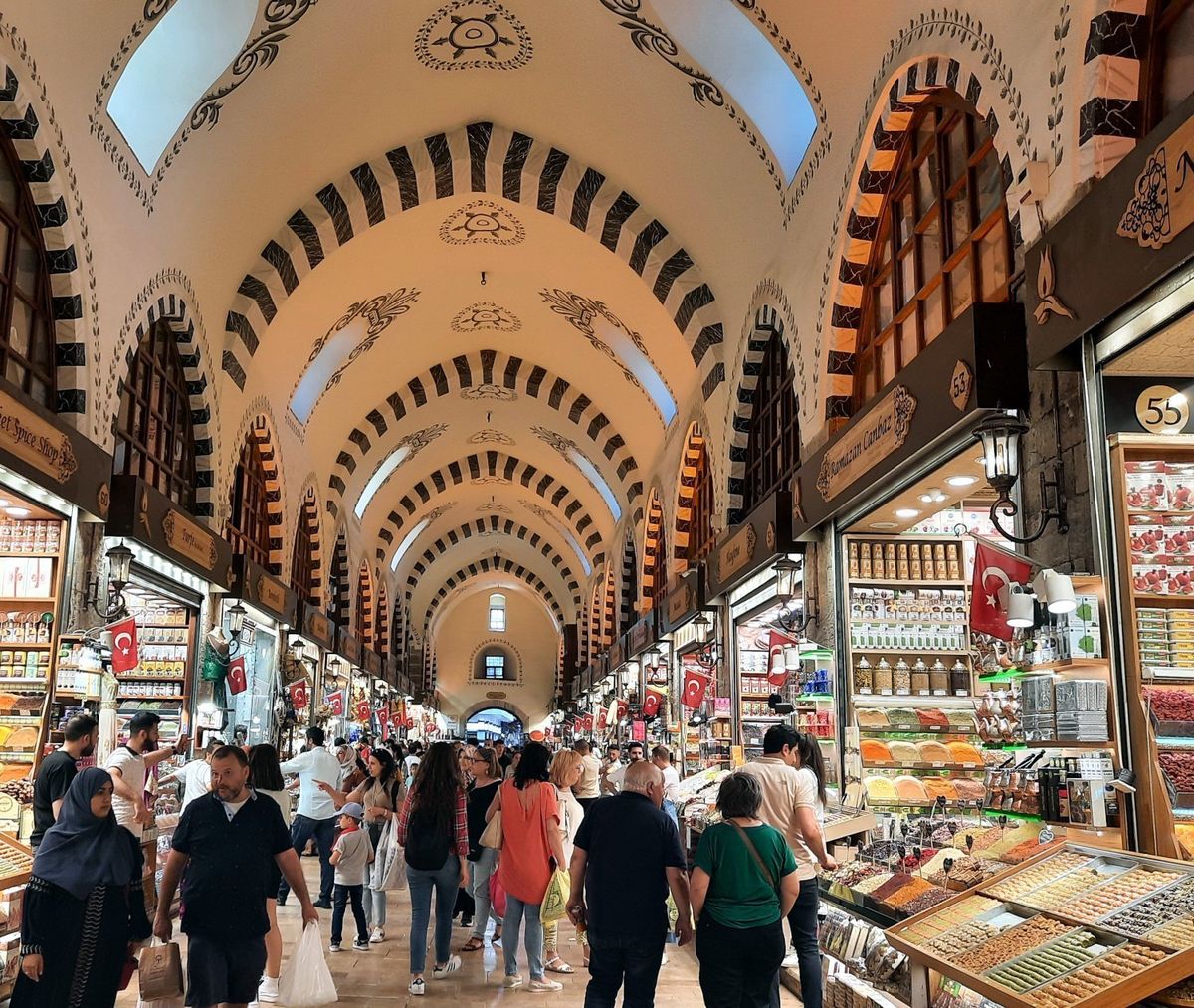
Istanbul bazaar
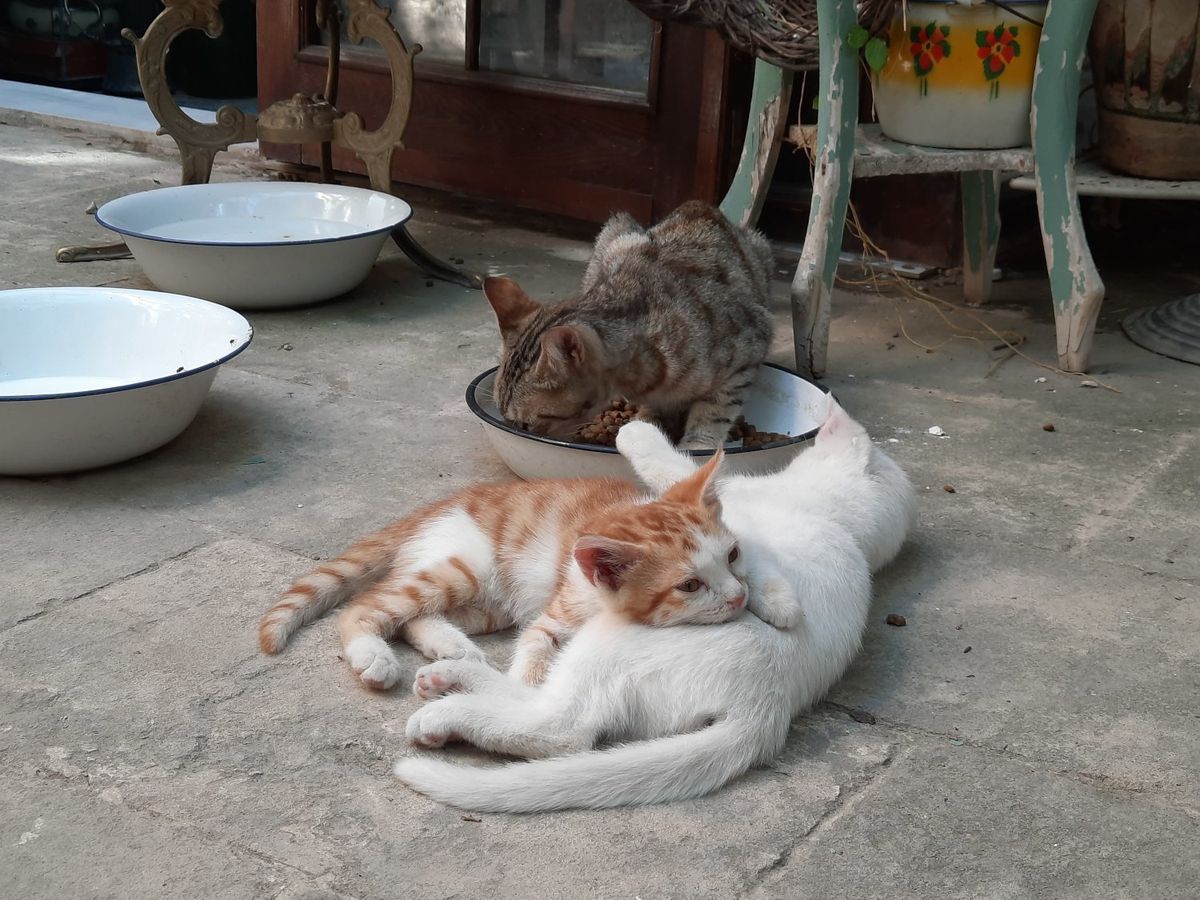
Istanbul is known for its cats (see the film Kedi) and cat souvenirs
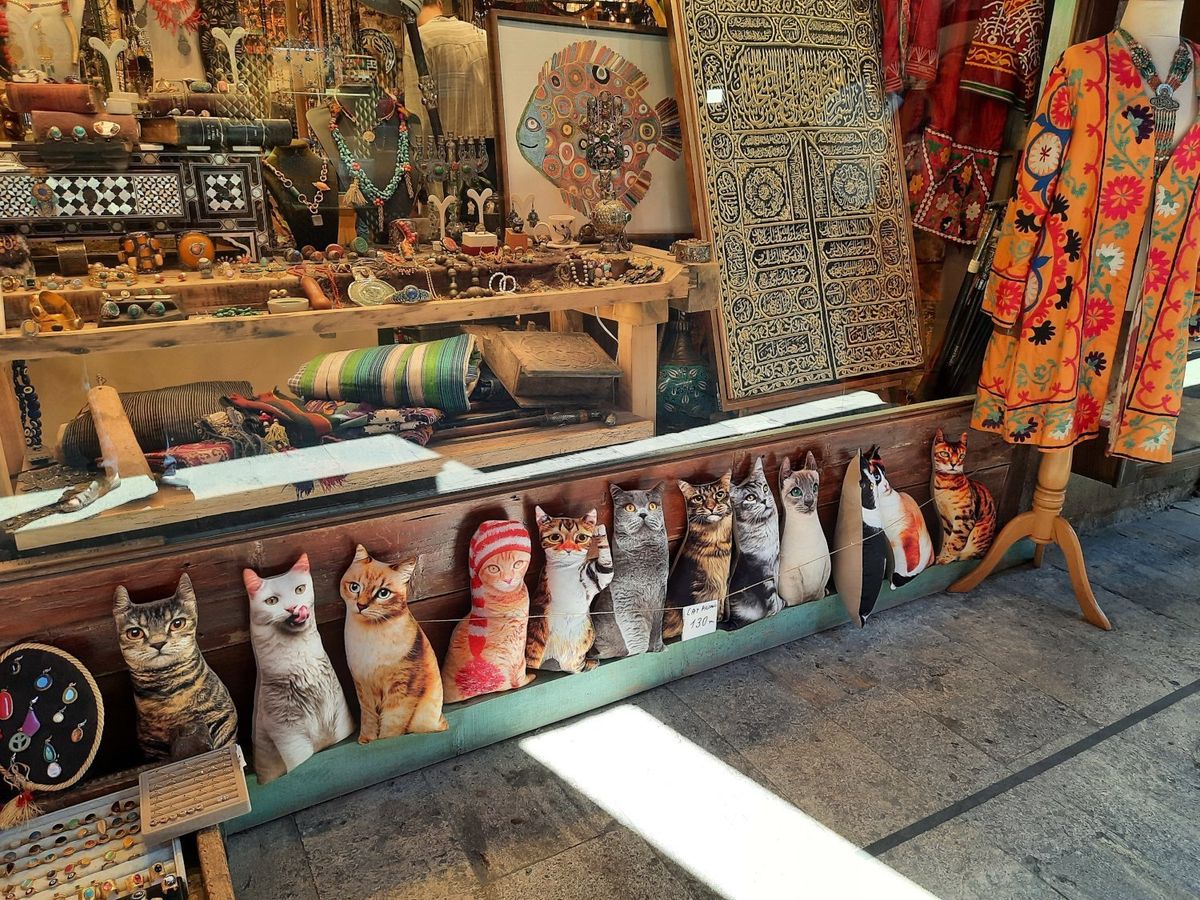
Some of Turkey's famous cats
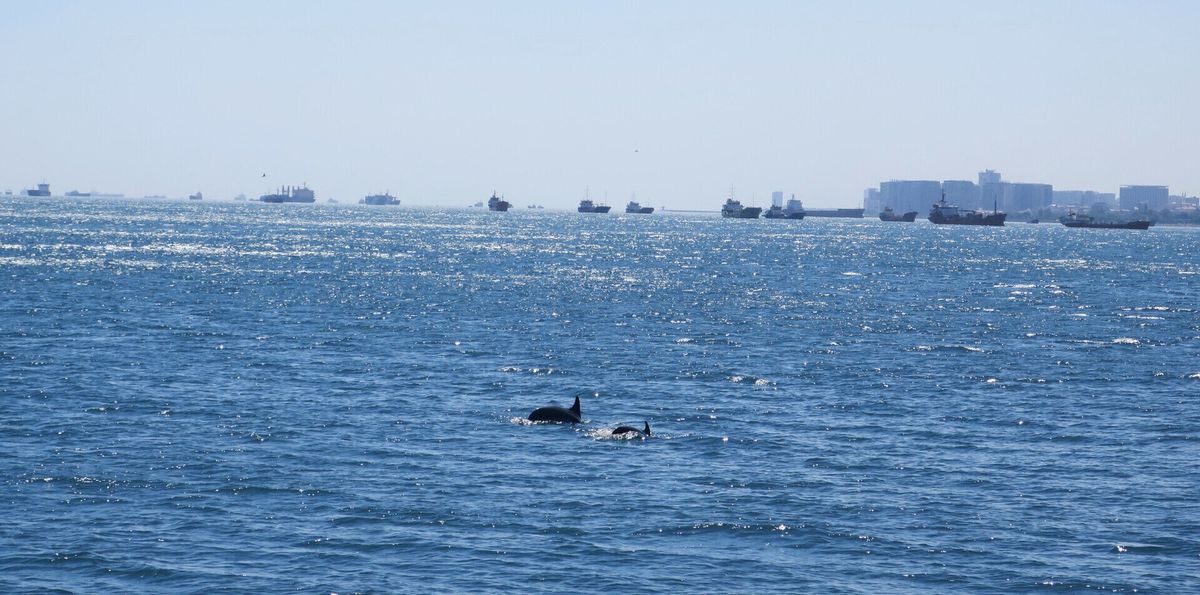
Dolphins swimming at the mouth of the Bosphorous Strait, with cargo ships in the background
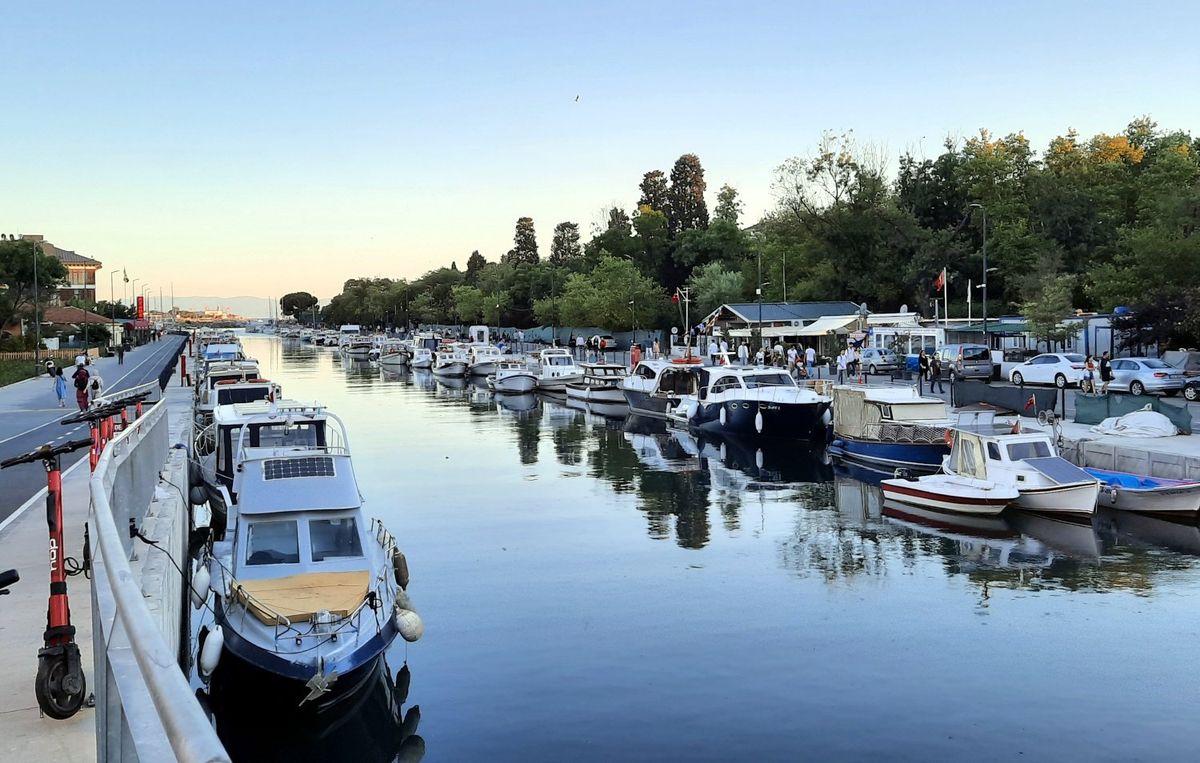
Parked boats in Istanbul
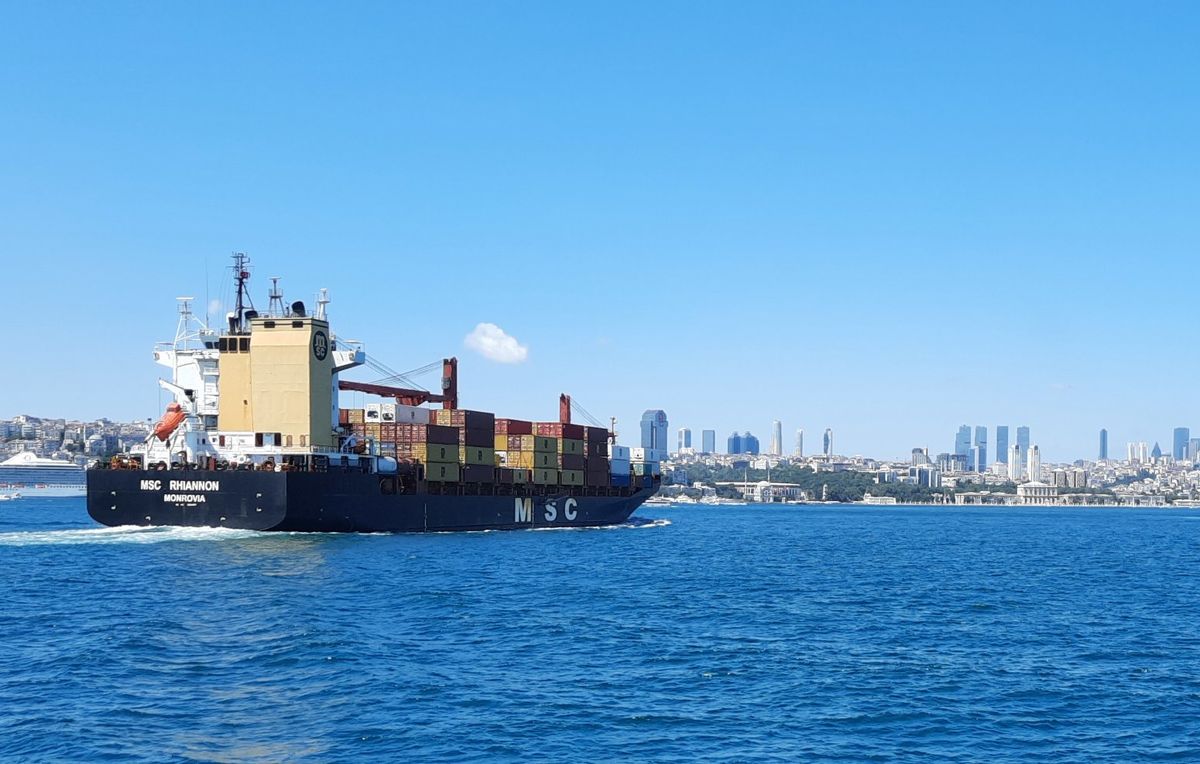
The view from a ferry crossing the Bosphorous Strait in Istanbul. The water is an important part of life in Istanbul.
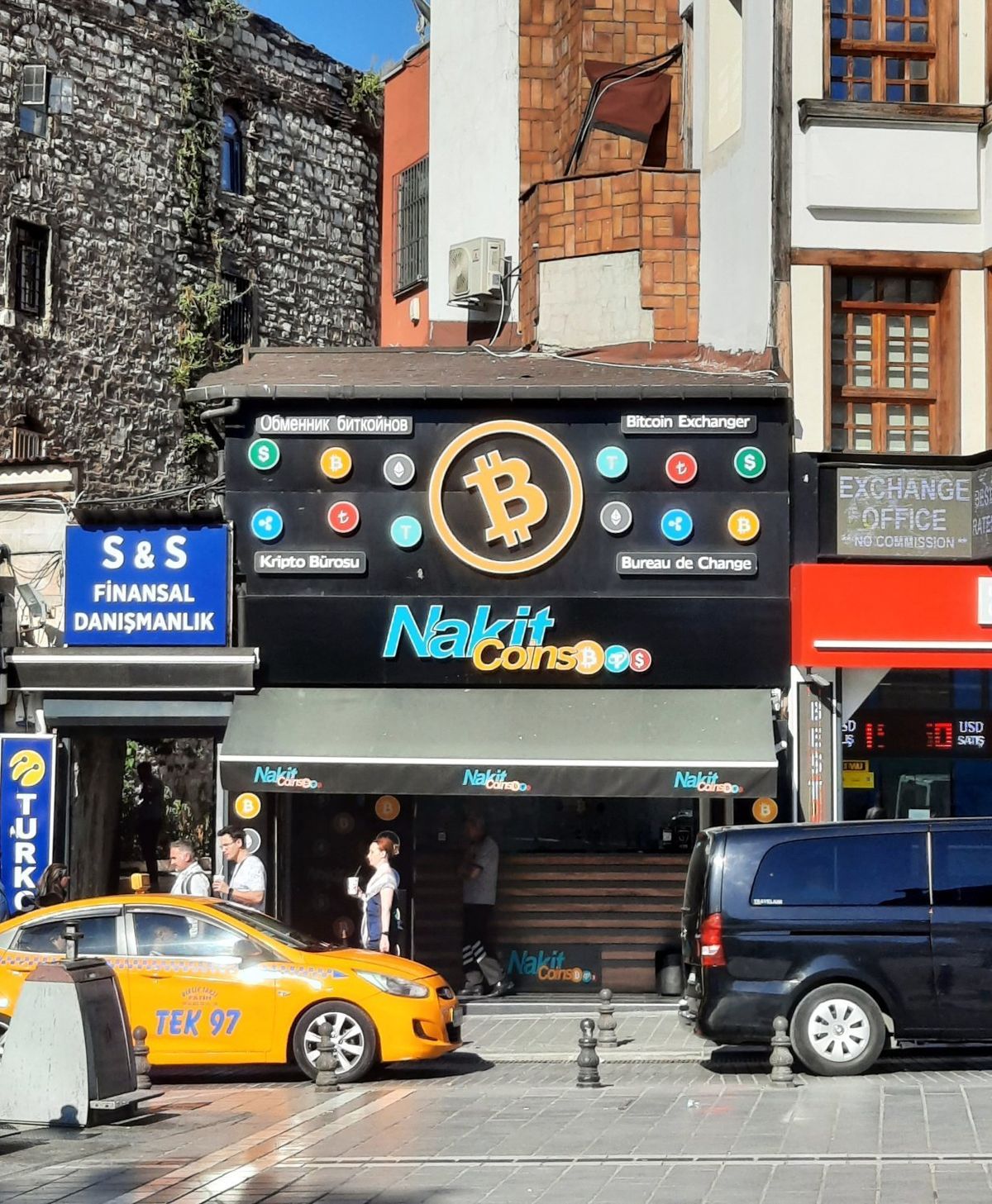
Cryptocurrency ads were prevelant throughout Istanbul, but you can put all the coins in your shopping cart in this store
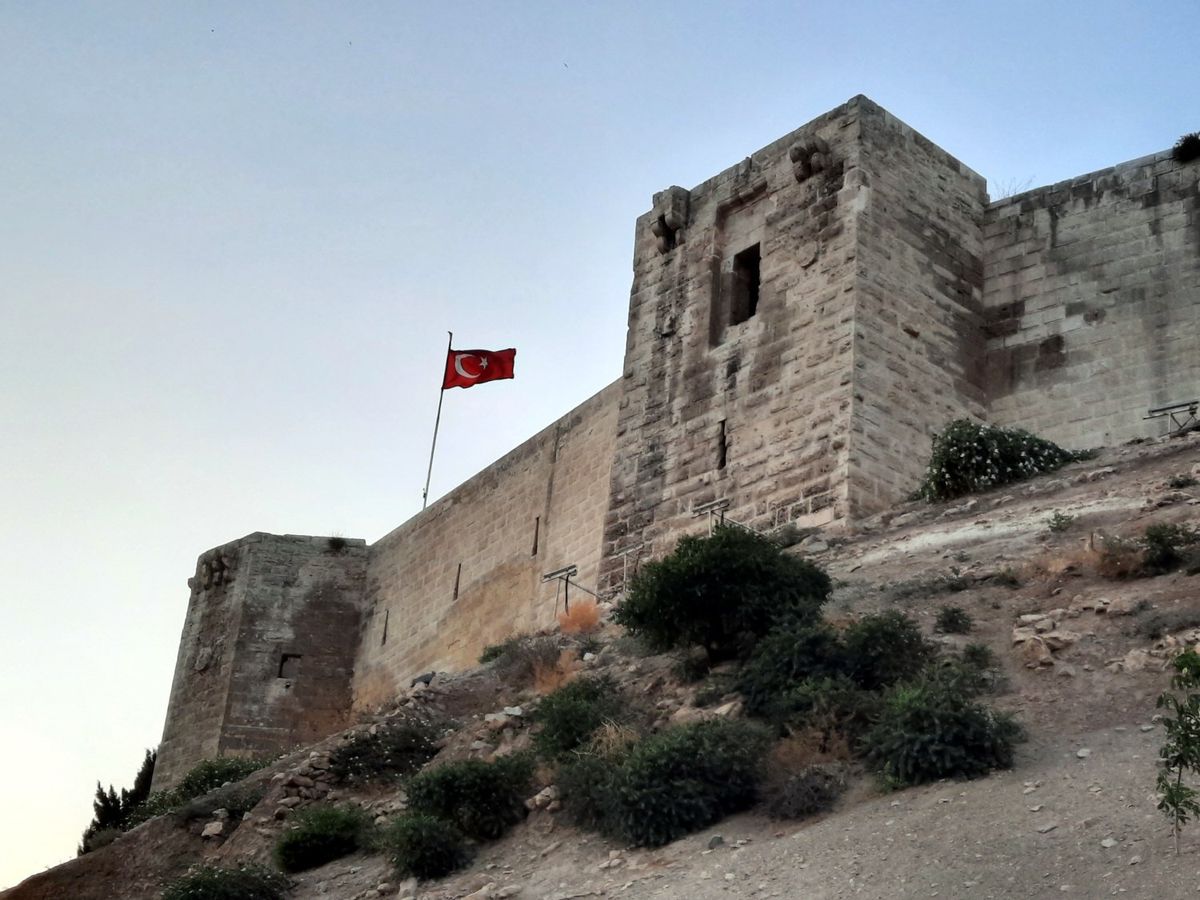
Gaziantep Castle
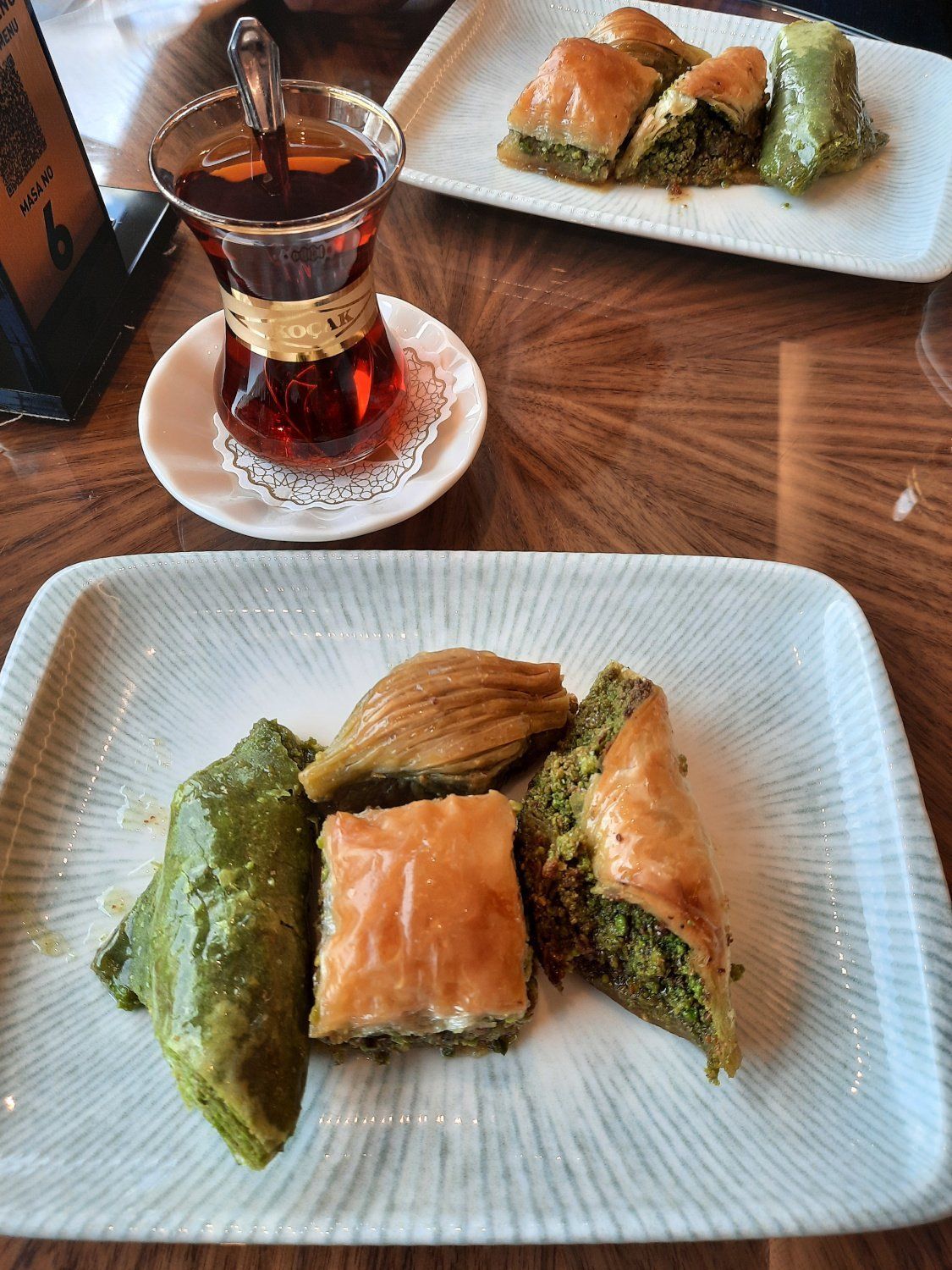
A tasty treat in Gaziantep
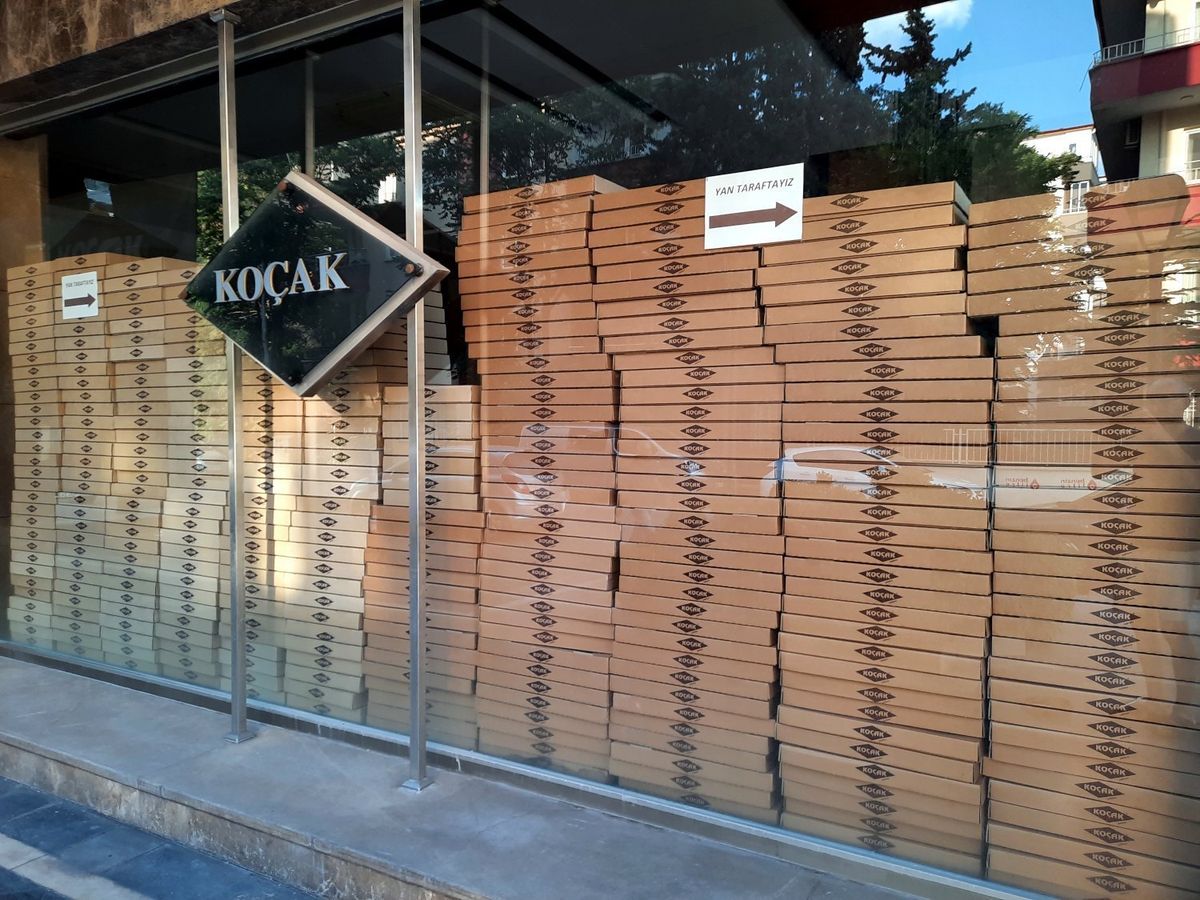
Baklava is serious business in Gaziantep. These are the empty boxes for baklava takeout at one of the more popular baklava stores.
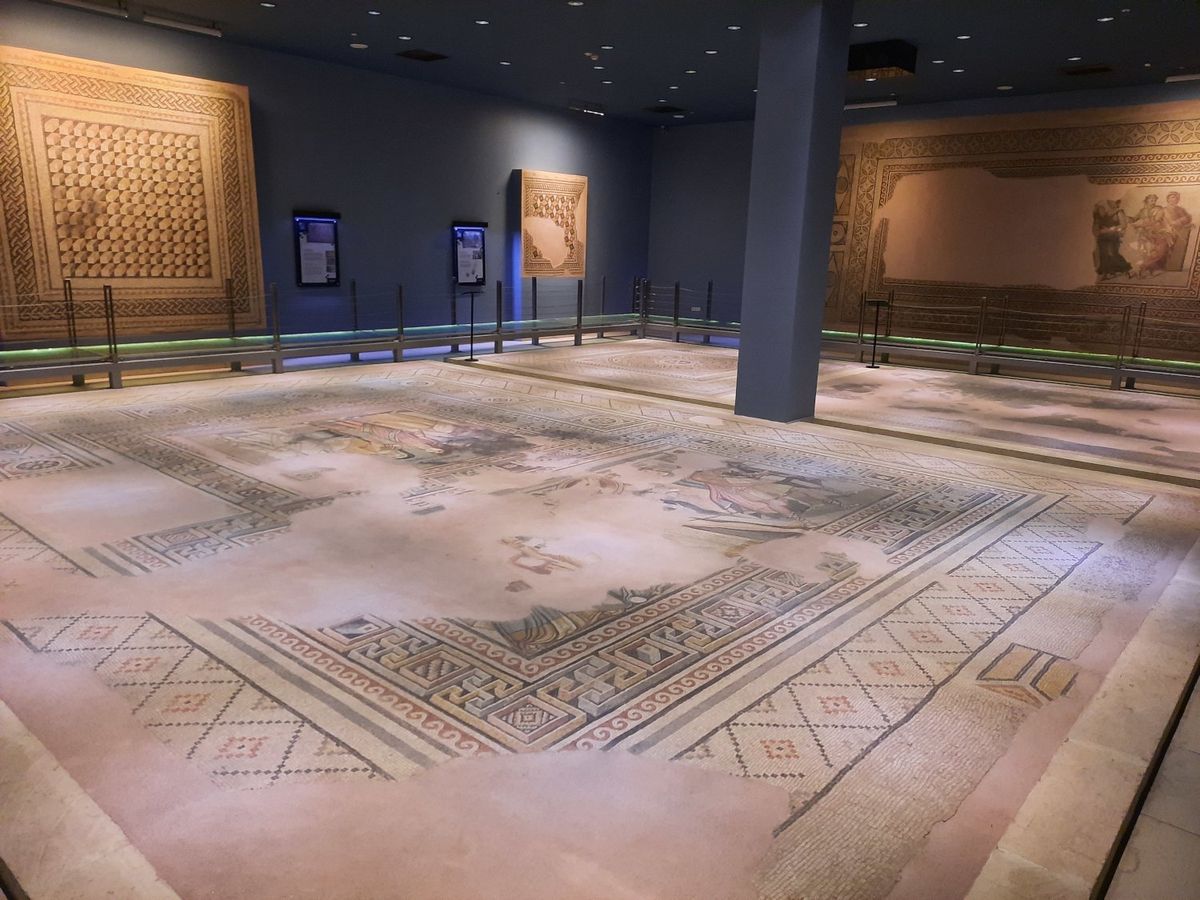
Gaziantep is home to the largest mosaic museum in the world. And some of the Roman mosaics within are large. Very large.
Excavations at the ancient city of Dara, near today's Turkey-Syria border, have revealed an extensive population center with much effort put into using the local rock as a building material.
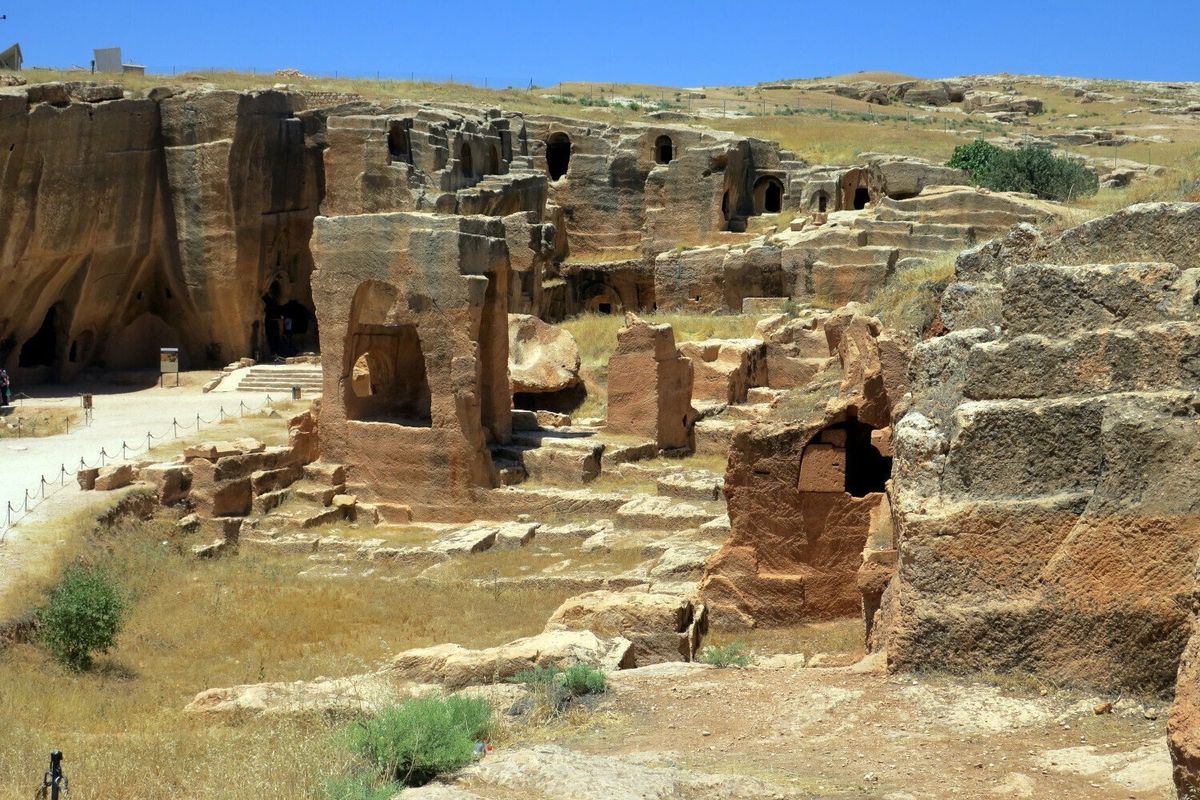
Dara dwelling carved into the rock
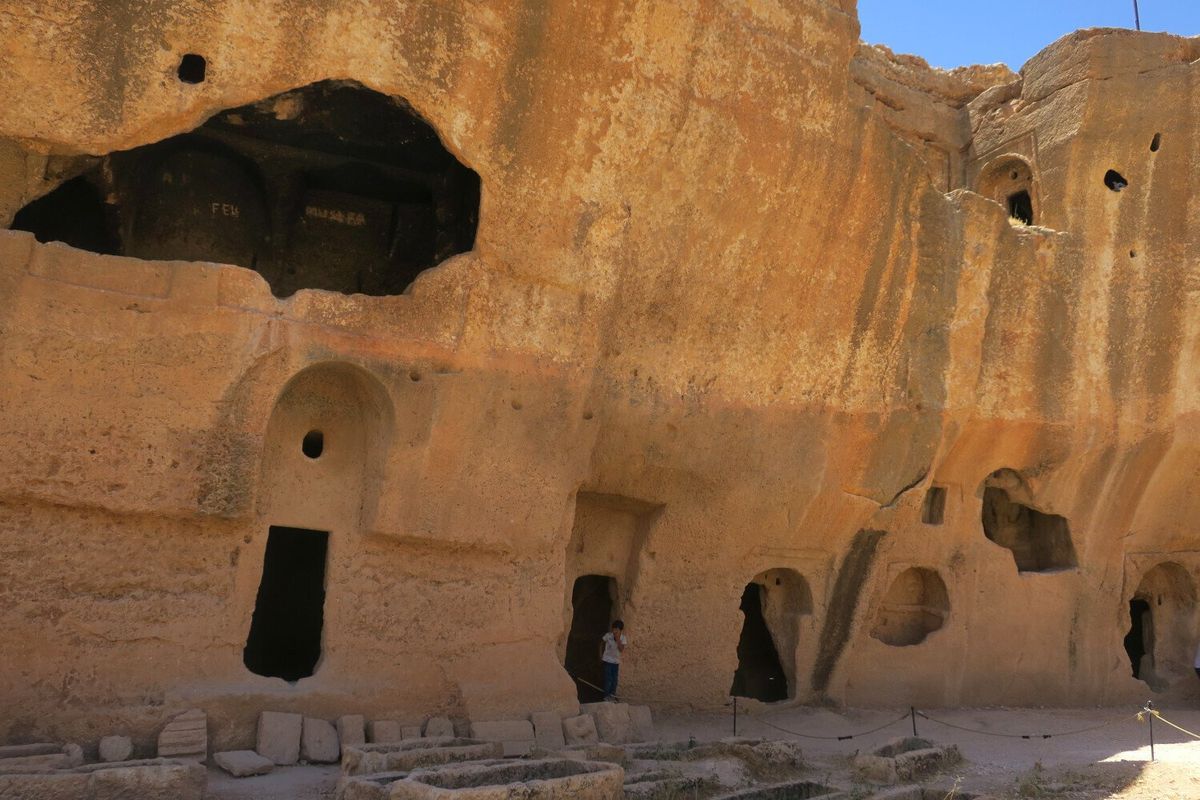
The interior of a large burial site in Dara
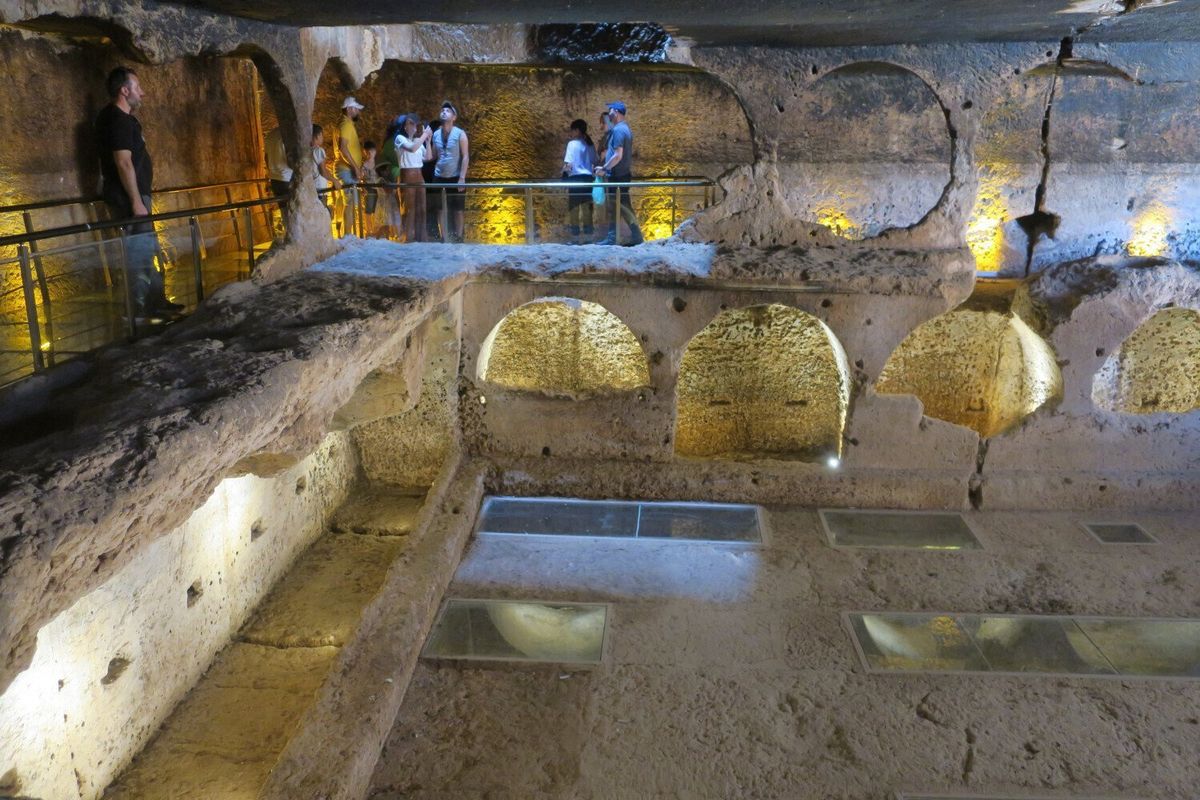
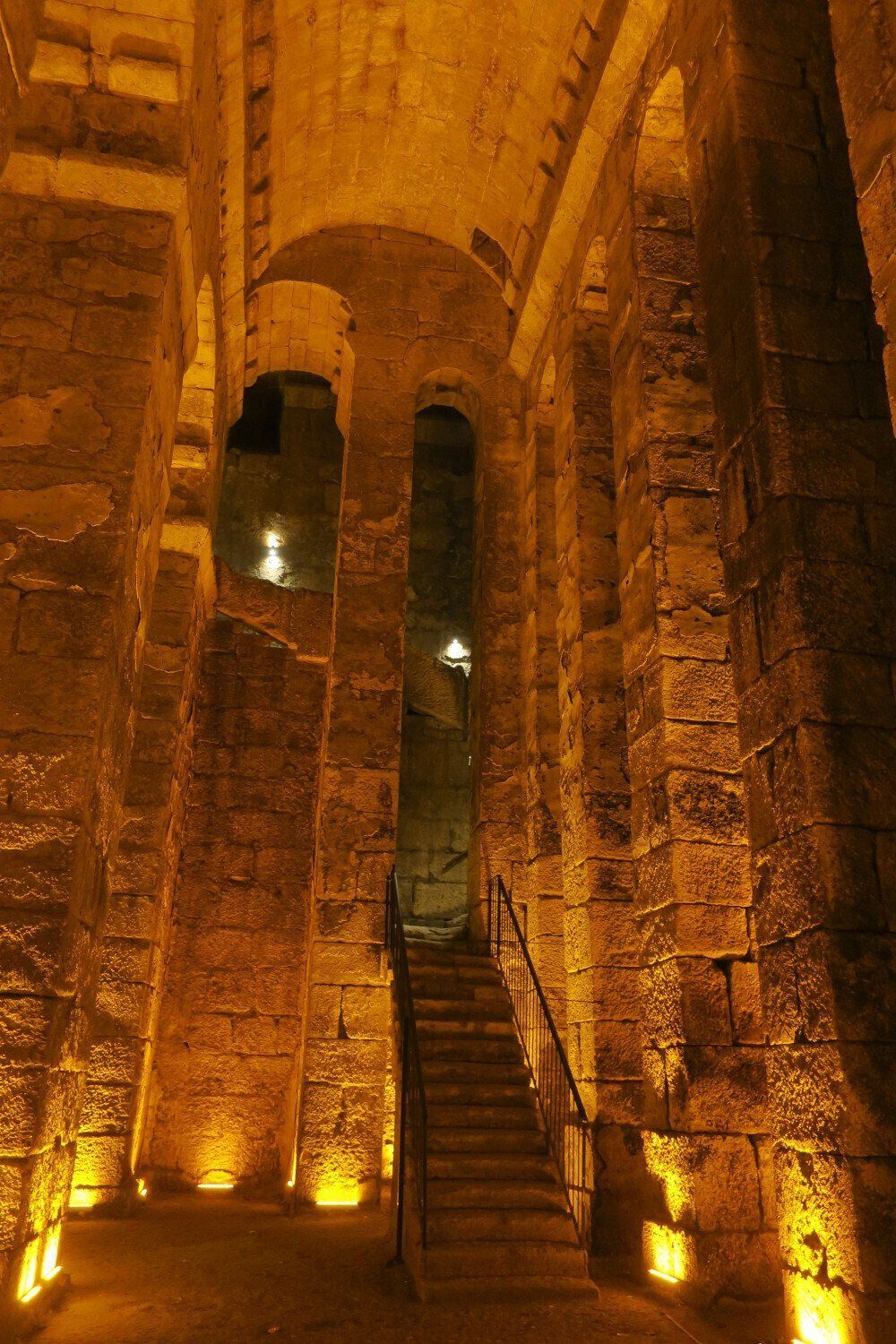
The Roman cistern in the ancient city of Dara from the 6th century
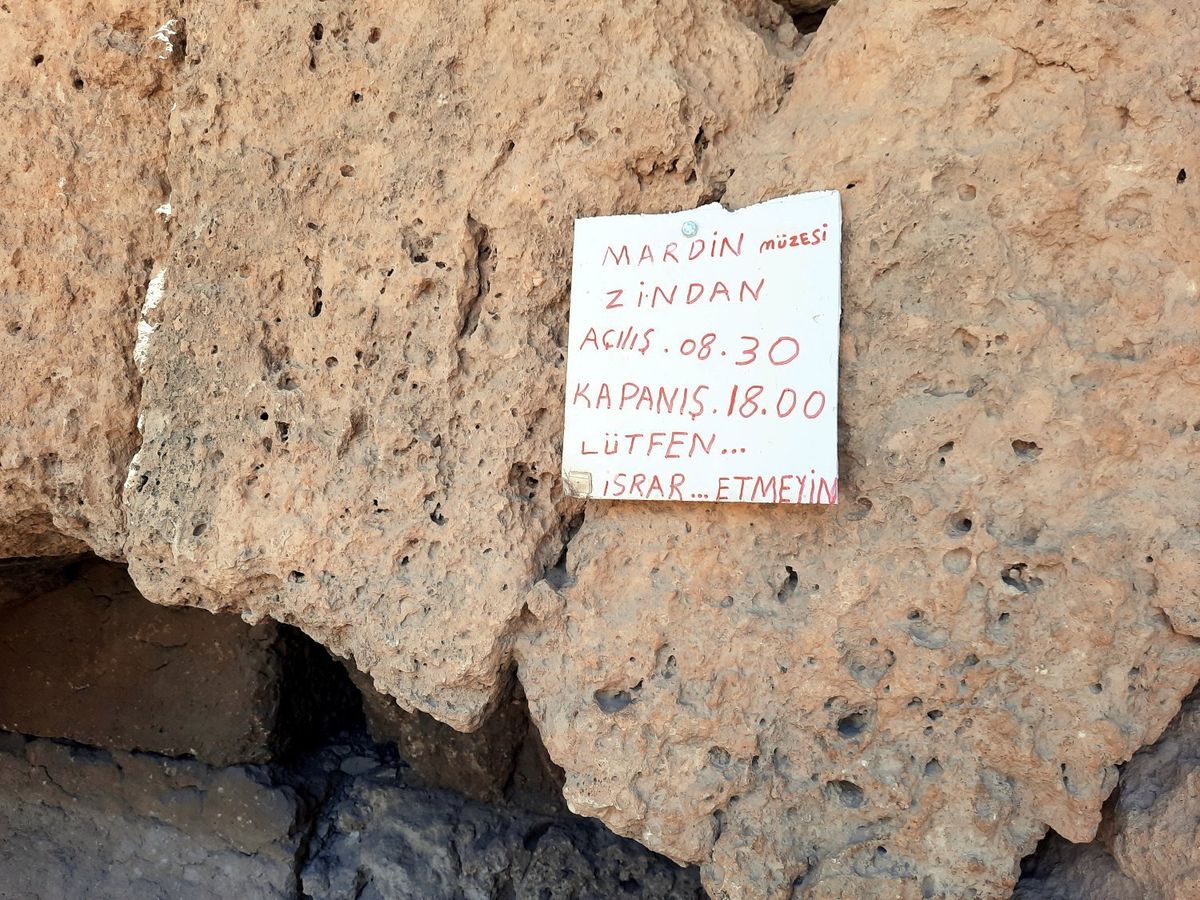
Judging by the hand-written cardboard sign, the cistern maintenance team could use a higher budget
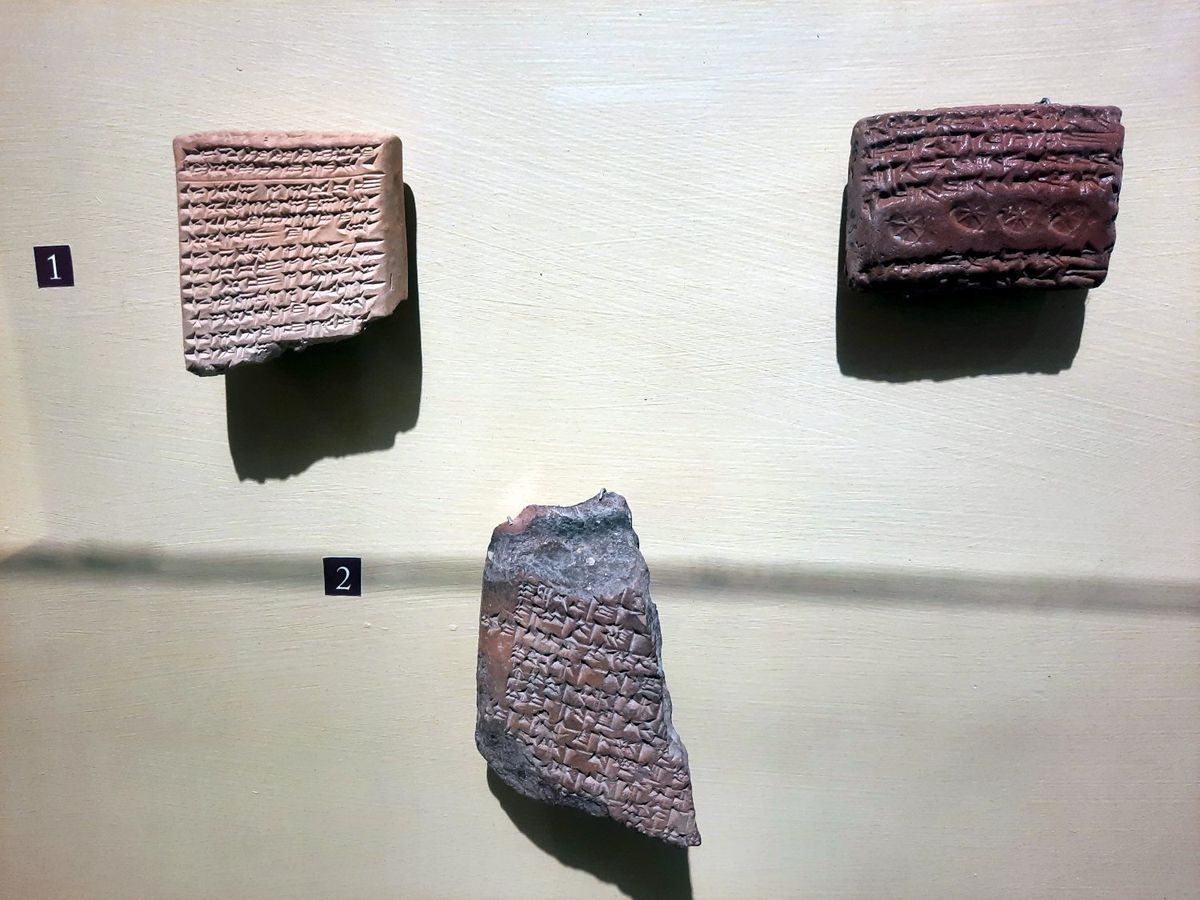
Some of the many cuneiform tablets from the region
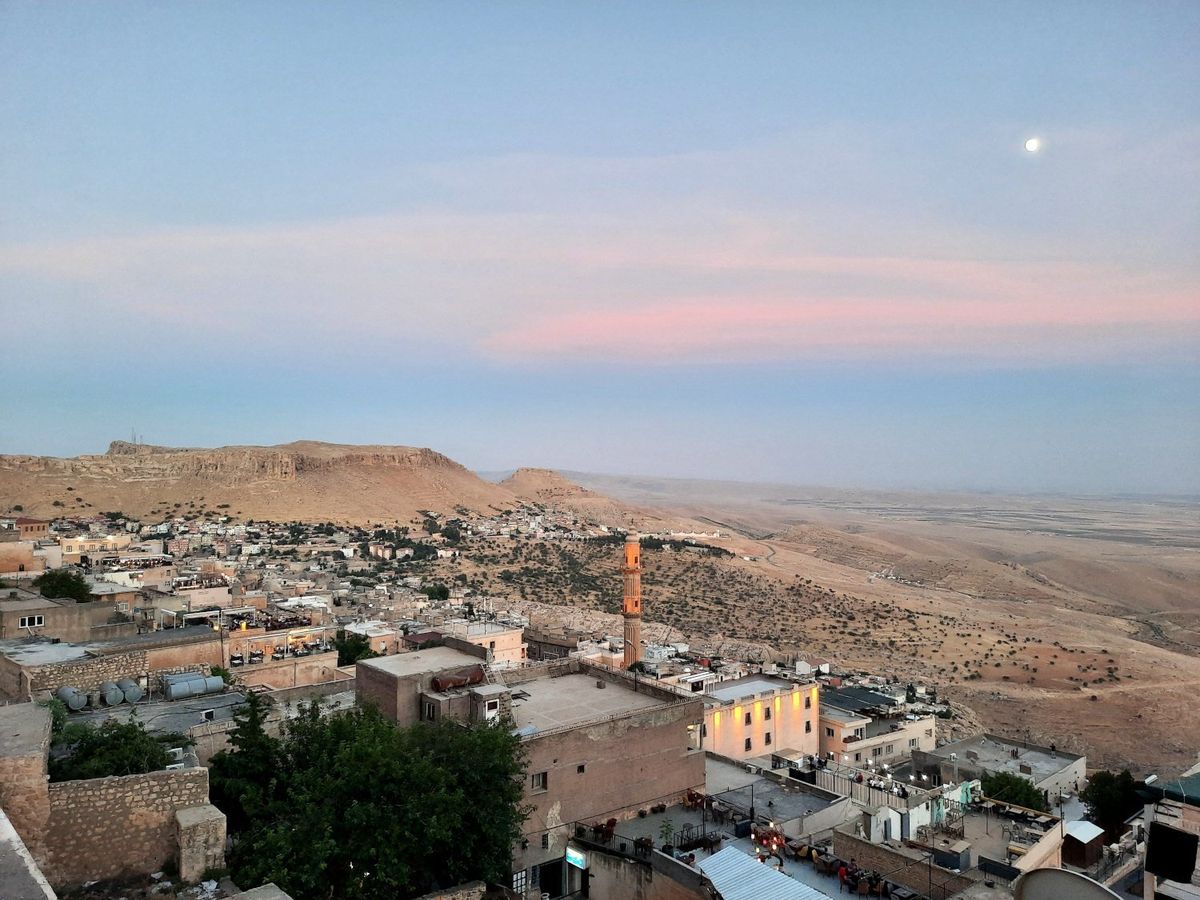
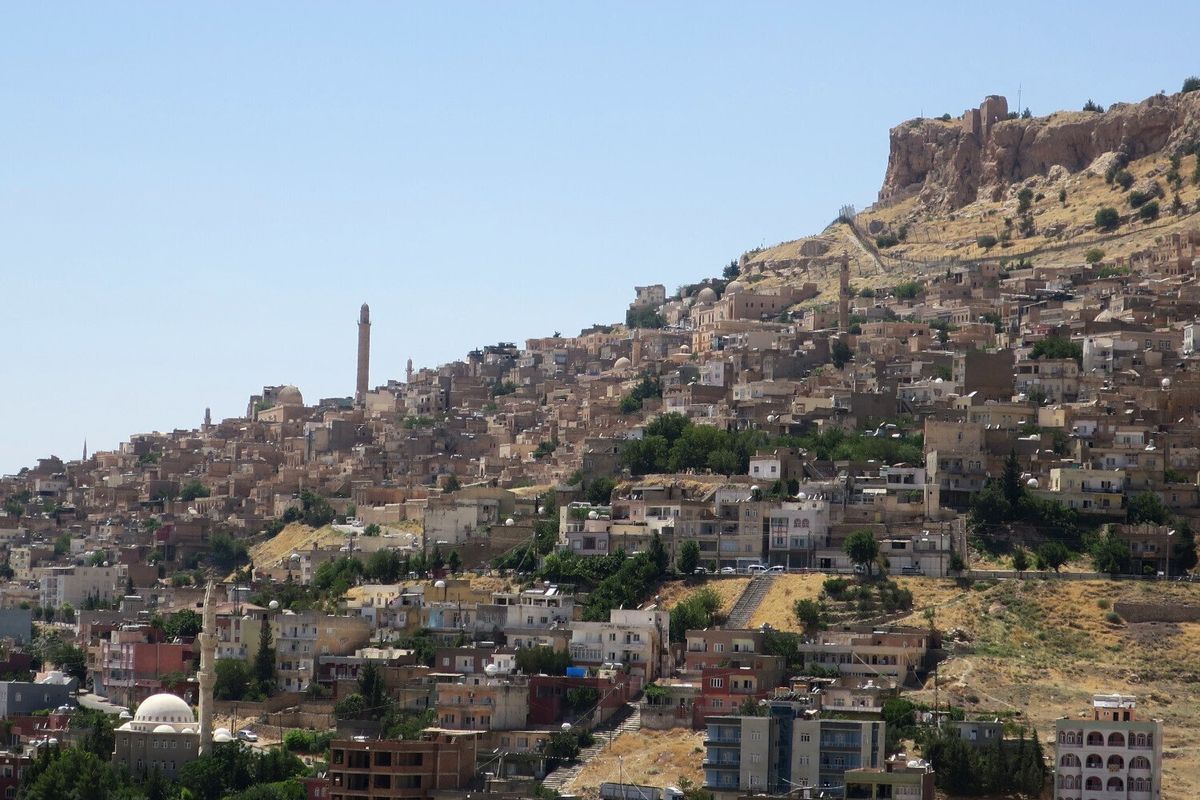
Mardin, considered an open air museum due to its rich history of intermingling cultures, seen from above
Mardin seen from below
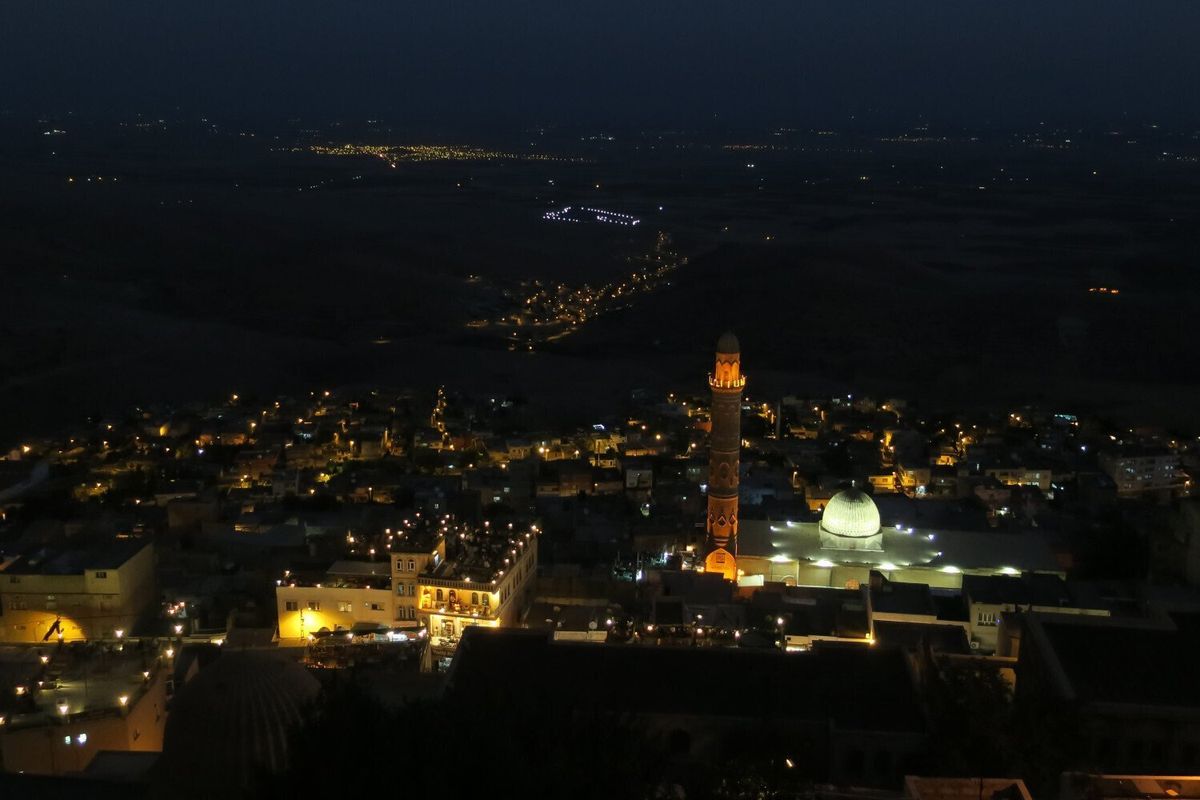
Mardin from above at night
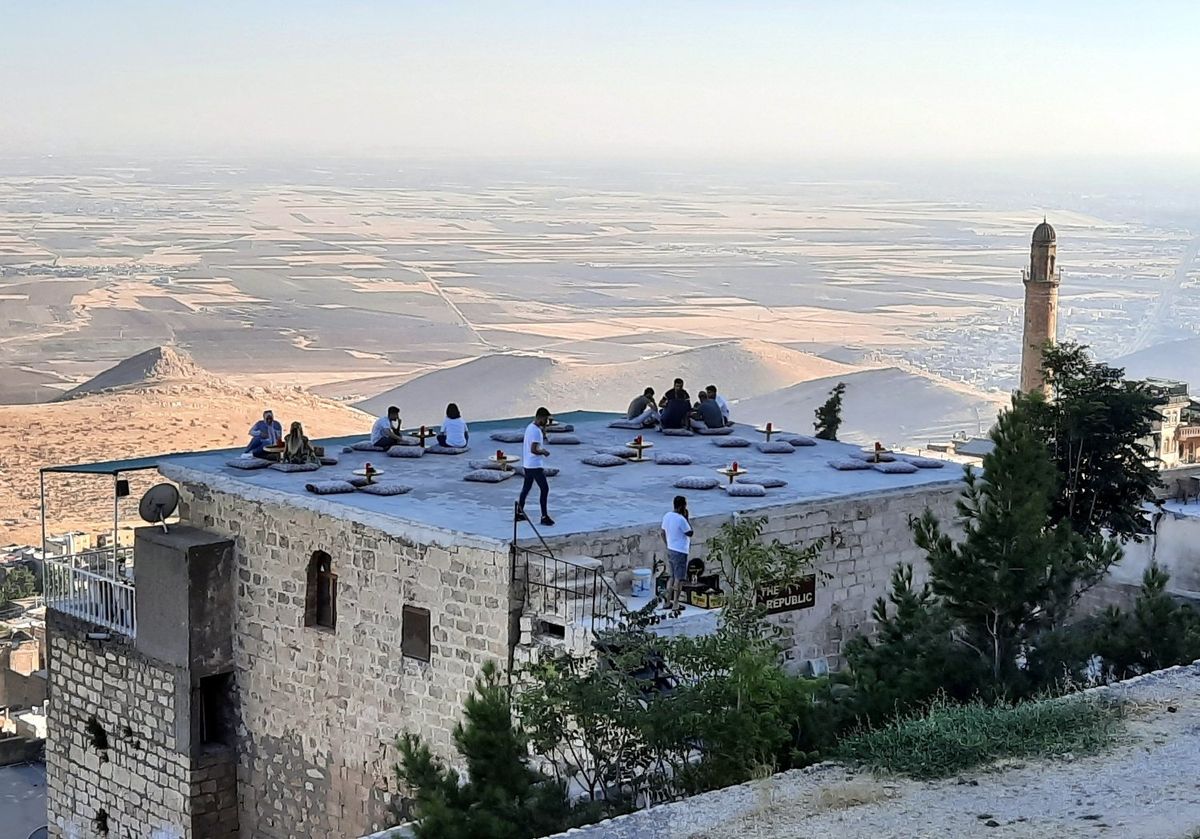
Because the hill Mardin is built upon overlooks a large flat area (the start of the fertile crescent), rooftop cafes are found everywhere in the city.
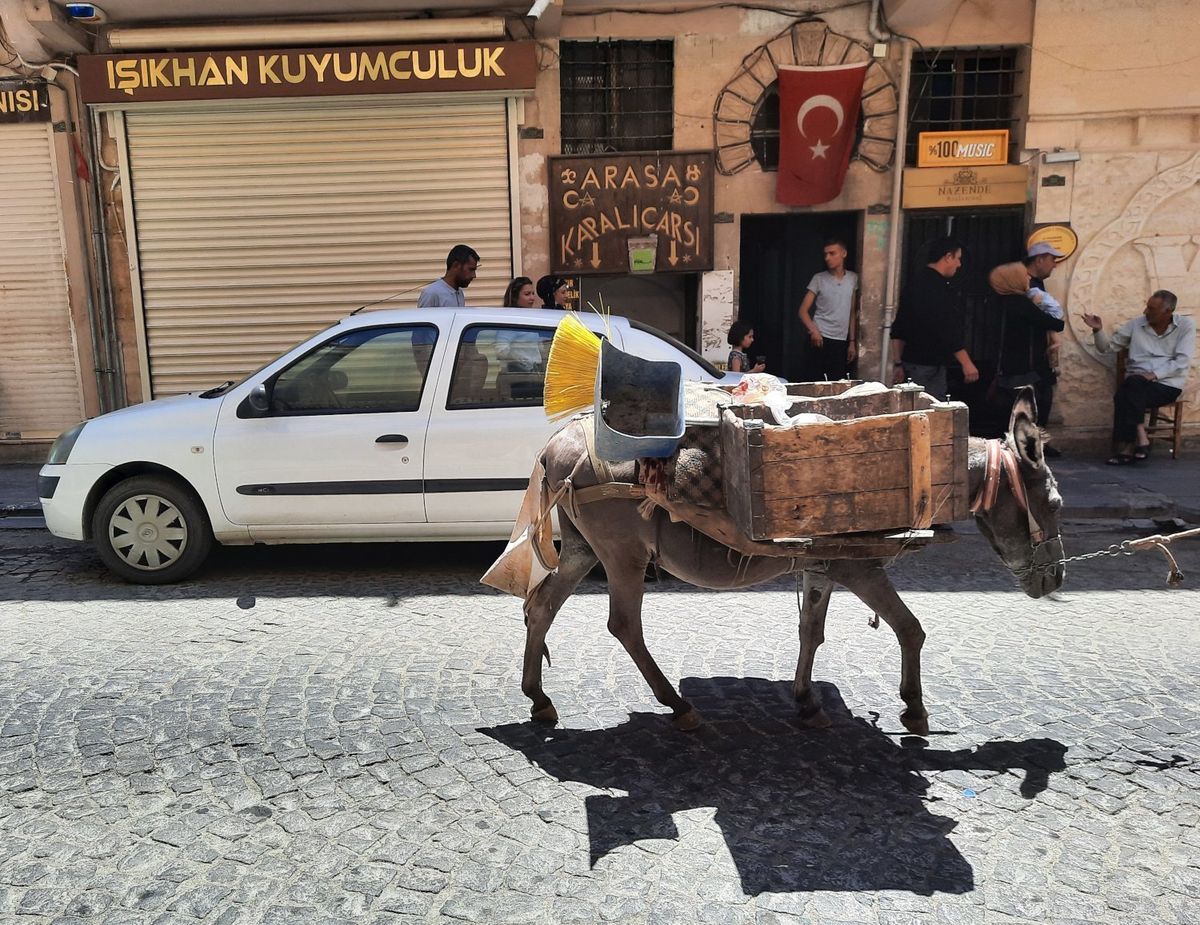
Some places don't have street cleaning trucks...